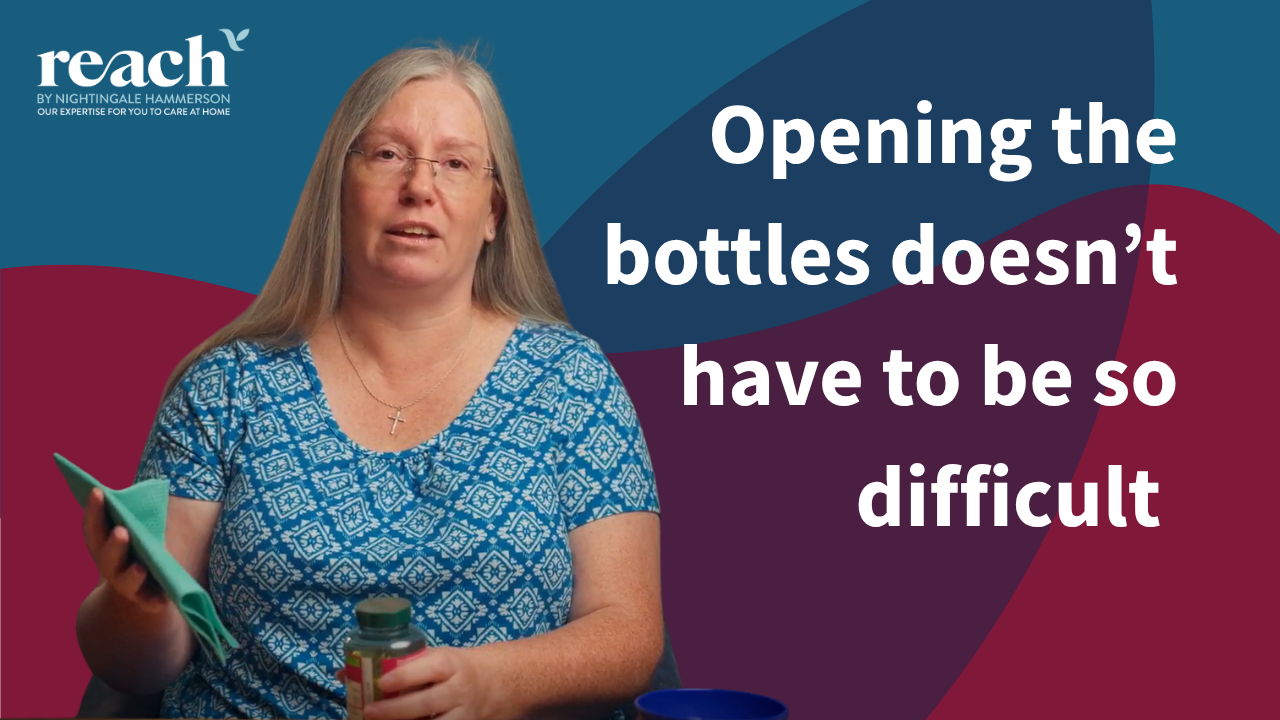

Have a look at this video for simple ways to make taking medicine safer.
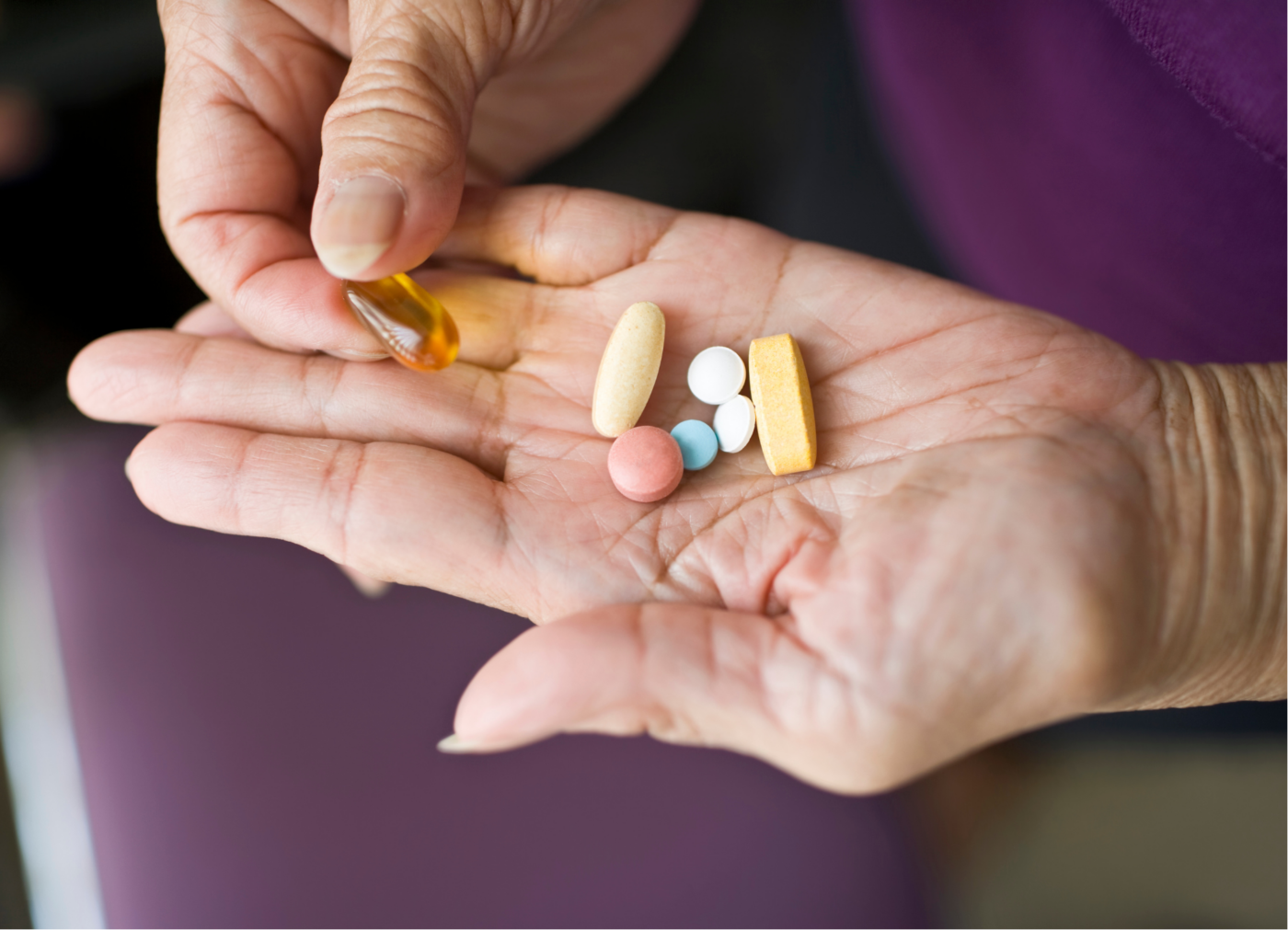
Difficulties may include reduced grip strength in the hand, challenges with fine motor control and coordination, the presence of a tremor, or being limited to using only one hand. In addition, some items, such as small tablets, can be hard to see.
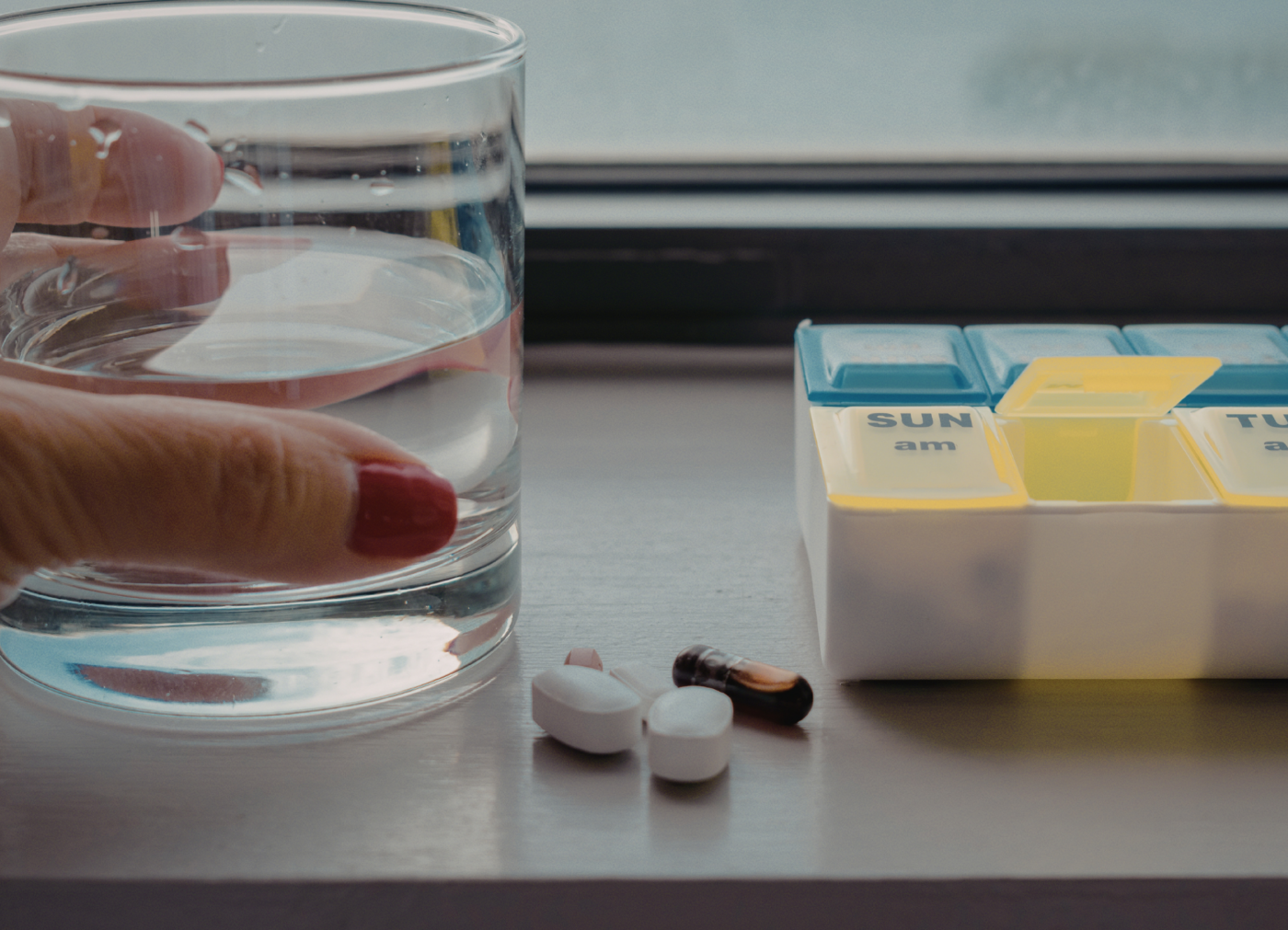
Think about where you take your medication. Ideally, use a stable surface, such as standing at a kitchen worktop or sitting at a table. Ensure good lighting for visibility and reading instructions. Focus solely on taking medication so avoid multitasking or distractions. If needed, have your glasses or magnifying glasses ready. Prepare any food or drink you may need for your medication in advance.
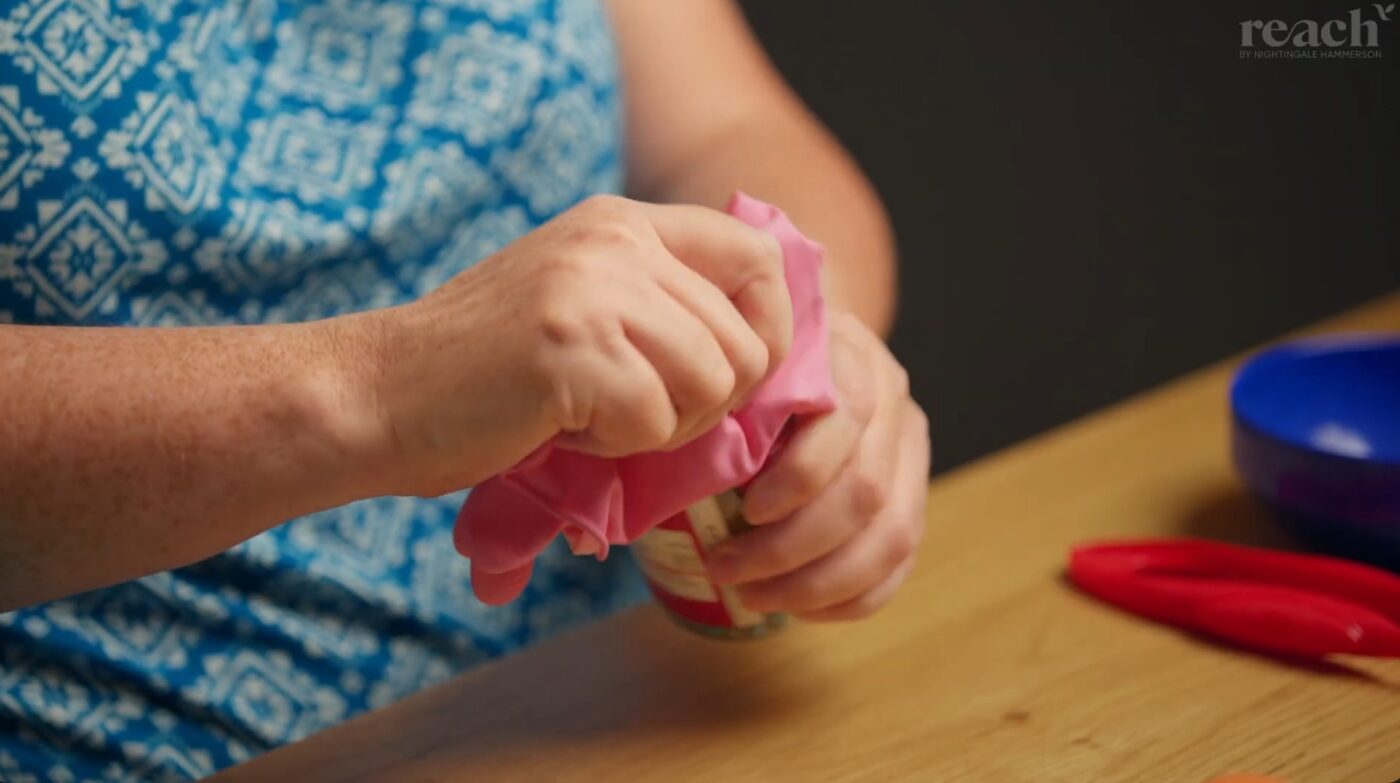
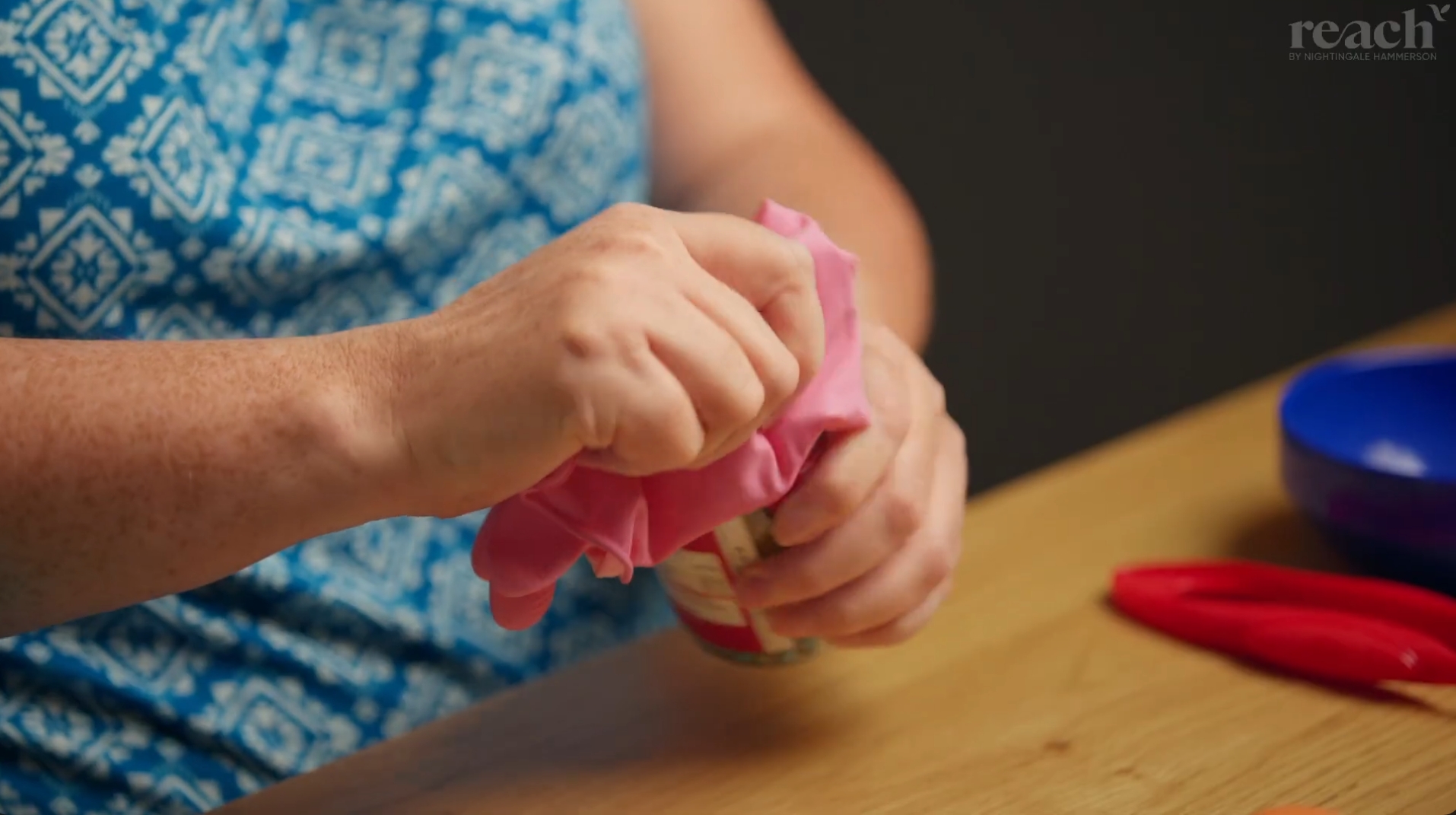
Some bottles can be tricky to open, as some tops can be quite hard. Use a dishcloth you have at home so you have more grip on the bottle top and be easier to open. Another helpful item can be a washing up glove.
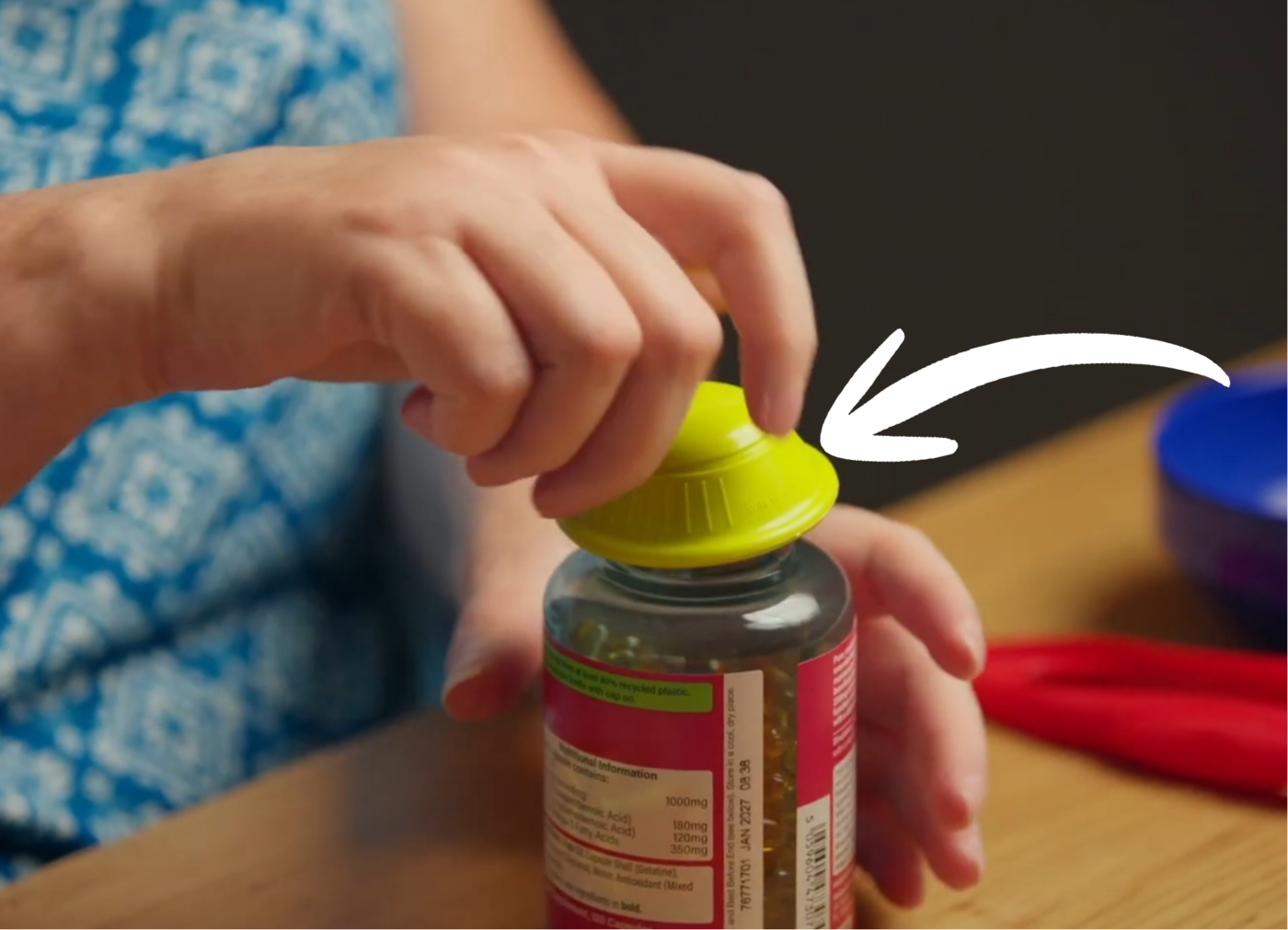
If those don't work, there is specific equipment in the market that can help. A rubberised top fits over the top of the bottle and helps you get a better grip to open the bottle.
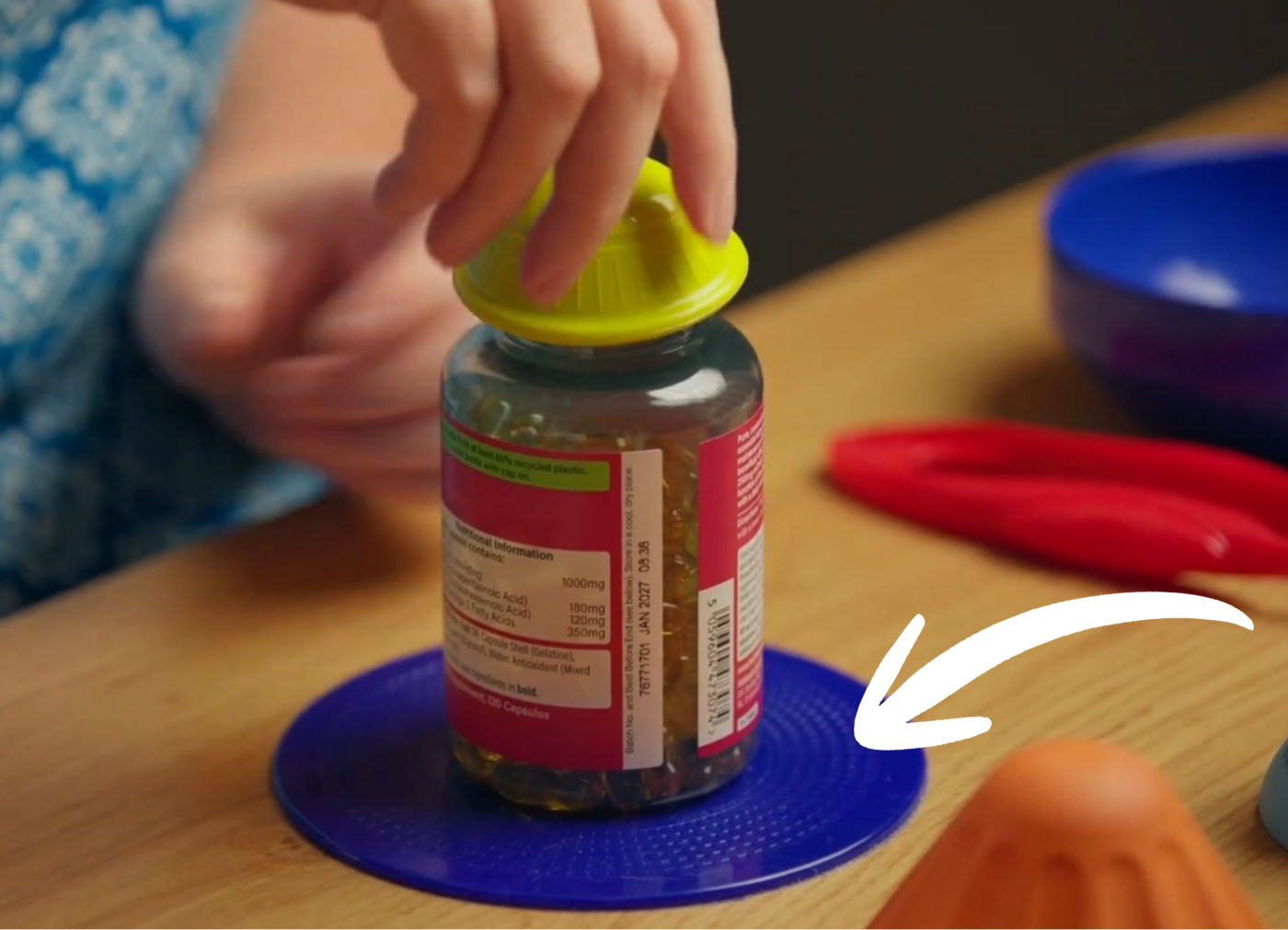
This can also improve your grip. Place it underneath the bottle to help keep it steady. You can use it on its own to hold the bottle, or combine it with the rubberised top for extra support. Using both together may even allow you to open the bottle with one hand.
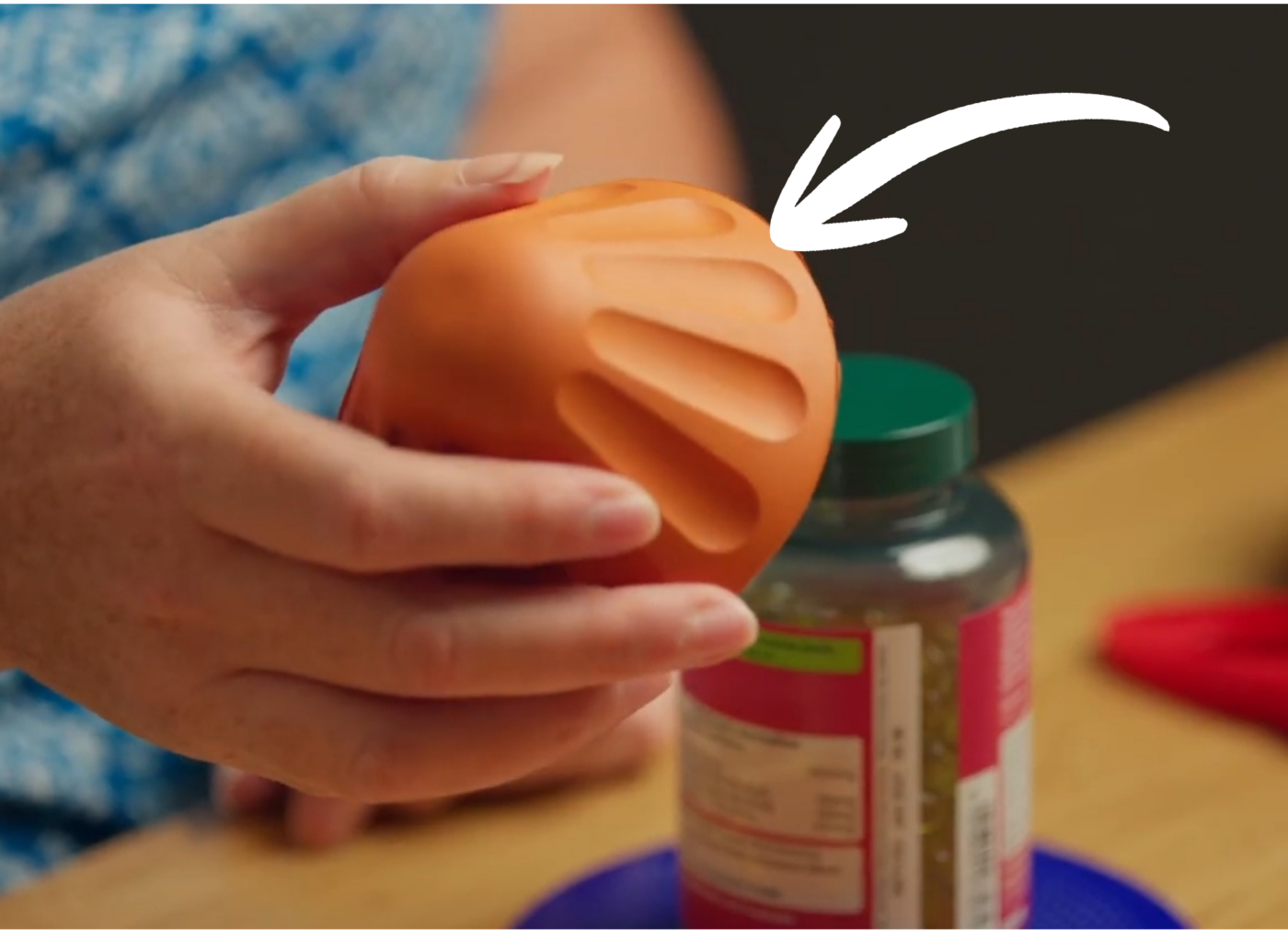
There are different bottle openers on the market. You can find a larger size top that can give you a better grip. It could help with different containers, as well.
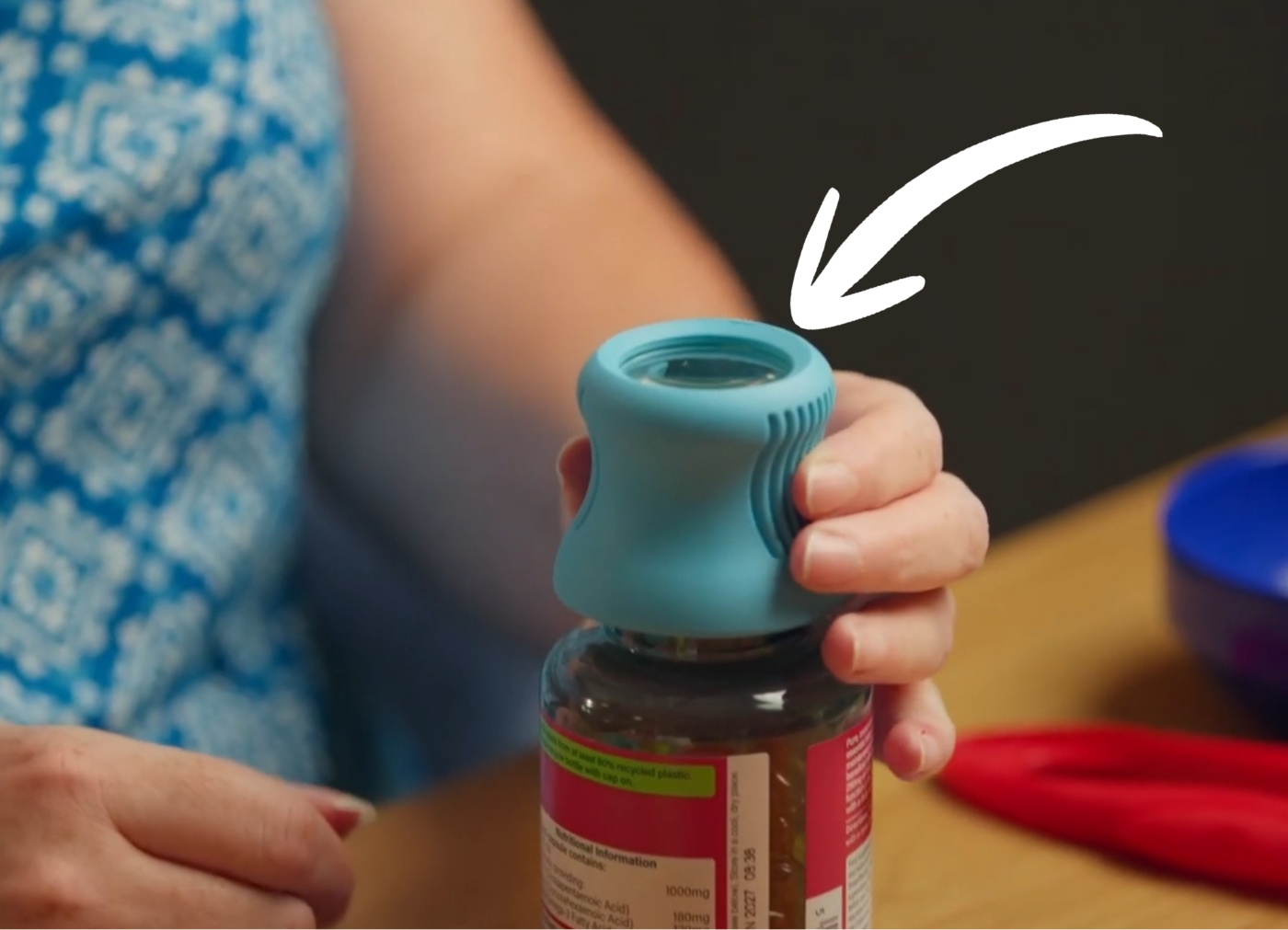
This can be helpful with smaller bottles. It has a magnifying glass and fits over the top of the bottle, as well.
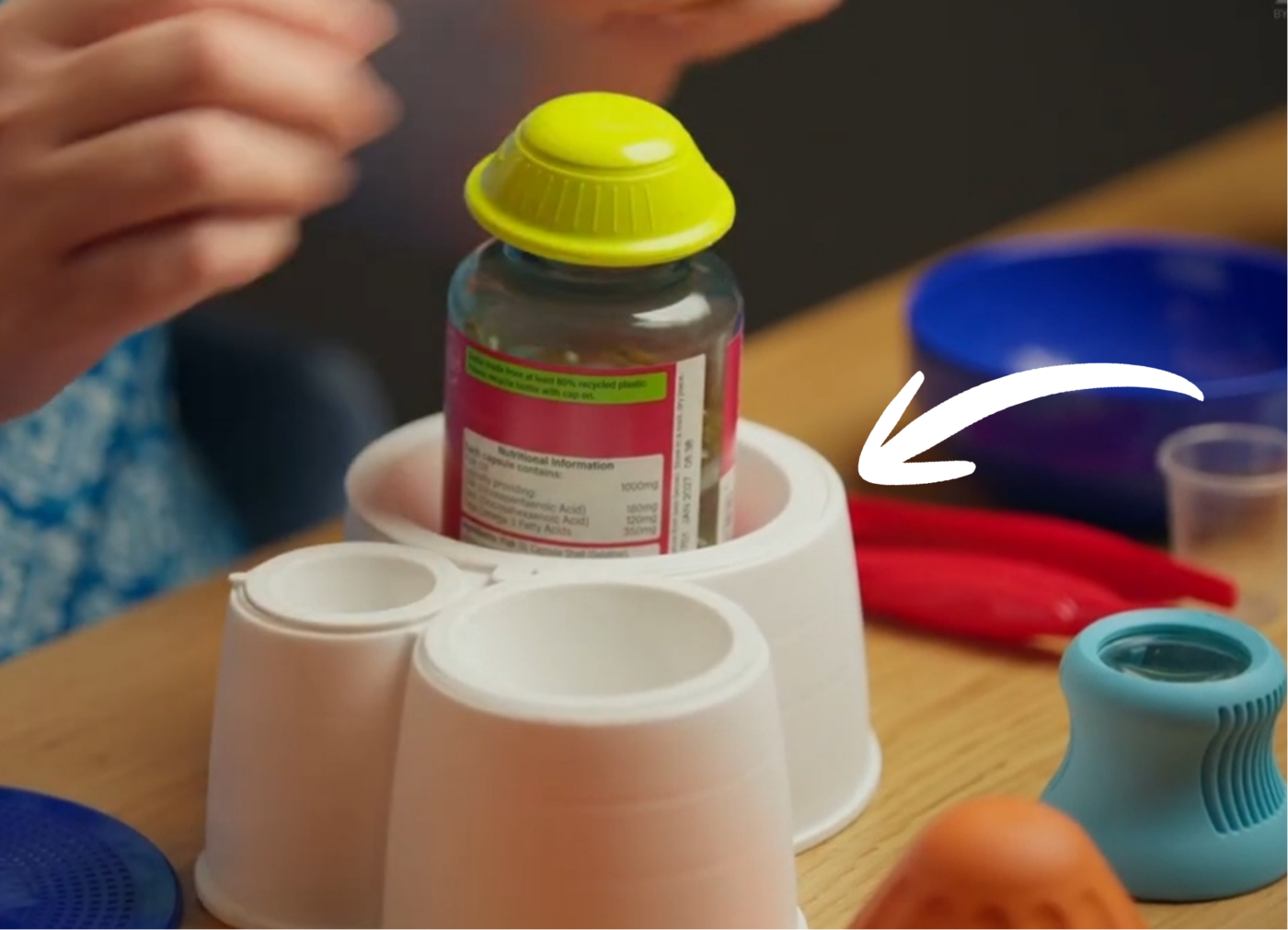
If you need more stability and the rubberised is not enough, you can find a specific container that helps to support the bottle in one place. You can use it with one hand by pushing down, if needed. Alternatively, you can use it together with one of the rubberised tops.
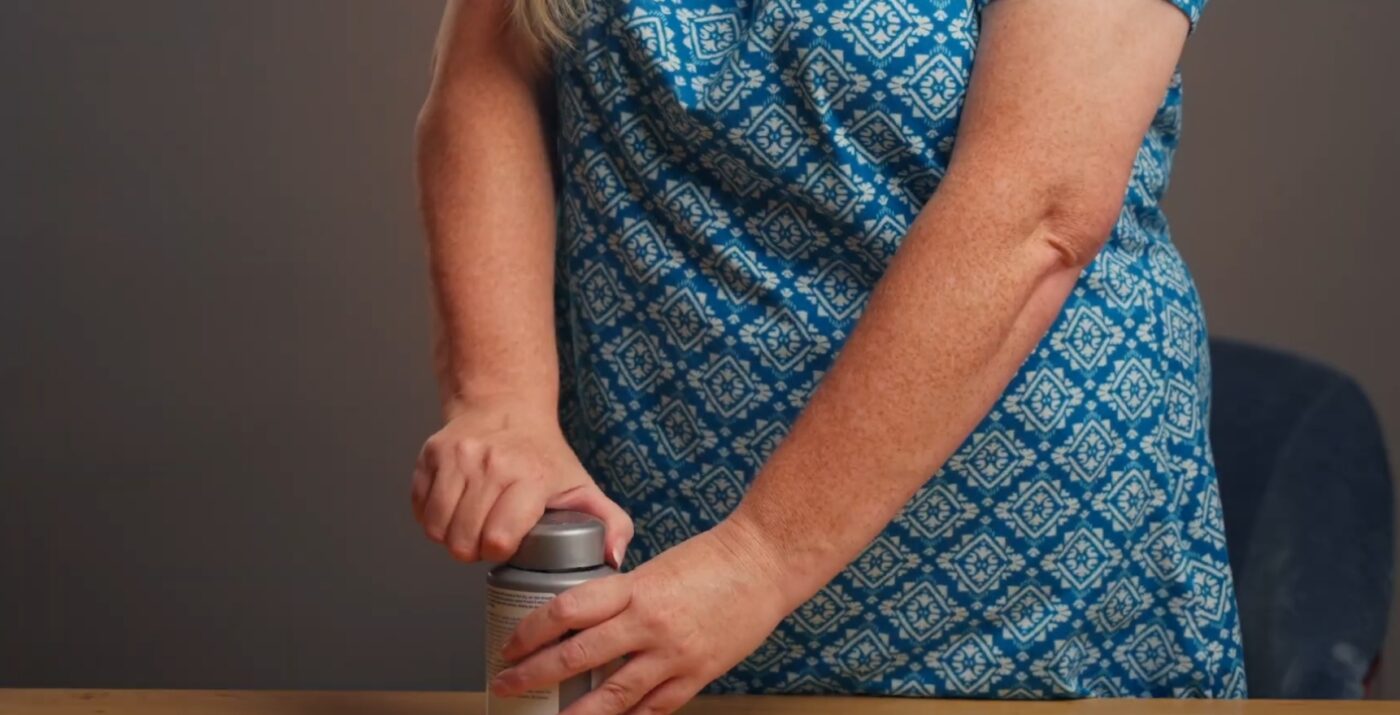
If you have a medication bottle that requires you to squeeze the top and press down at the same time, you can use any of the previously mentioned items to open it. Find a position where you put all of your body weight behind the top as you push down. Standing up can make it easier. If too difficult, talk to your pharmacist as your medication may be available in an alternative container, if safe for other people around you.
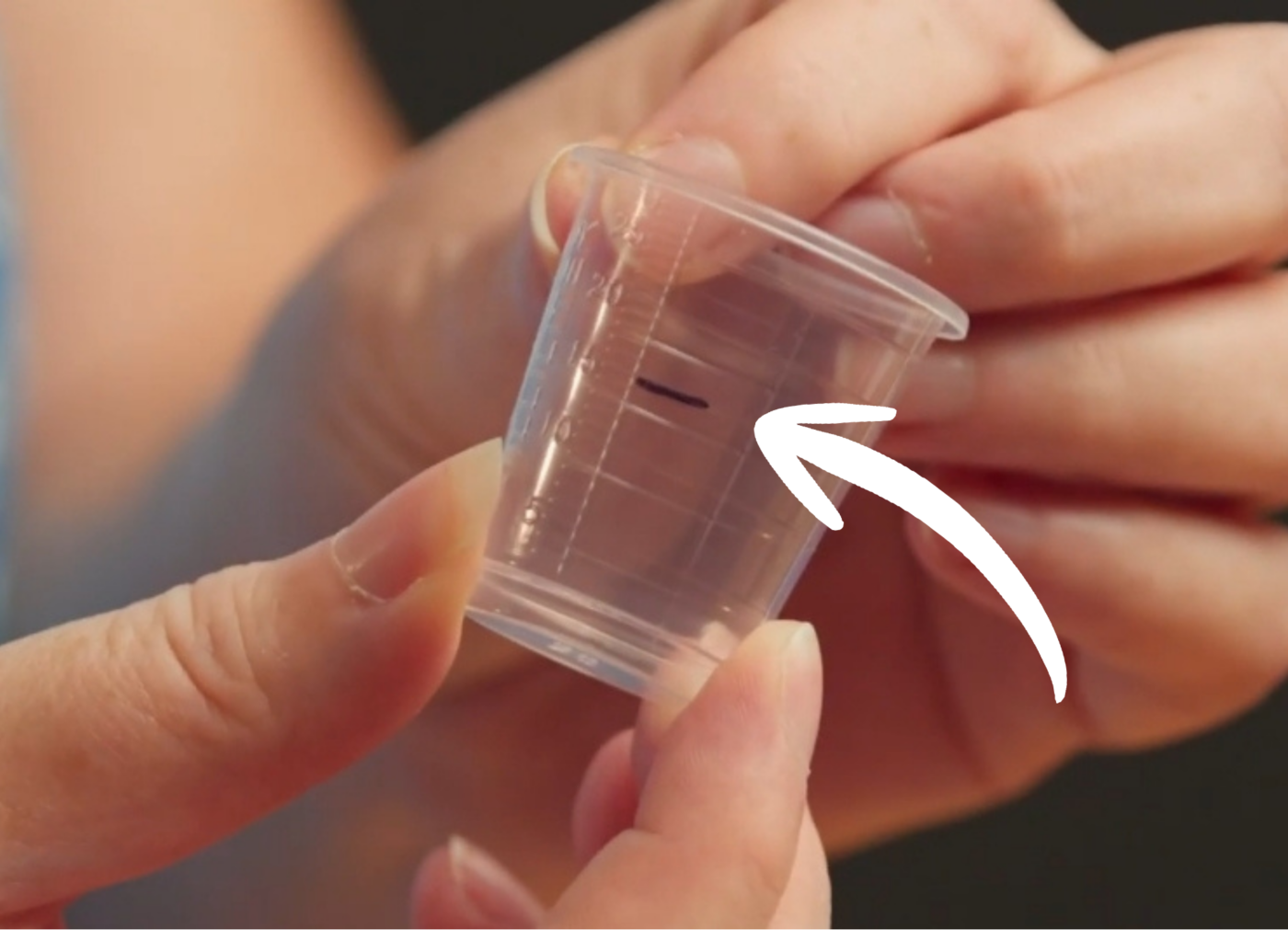
If you need to pour liquid medication into a measuring cup and find the markings hard to see, use a permanent marker to draw a clear line at the correct level. This makes it easier to pour accurately each time.
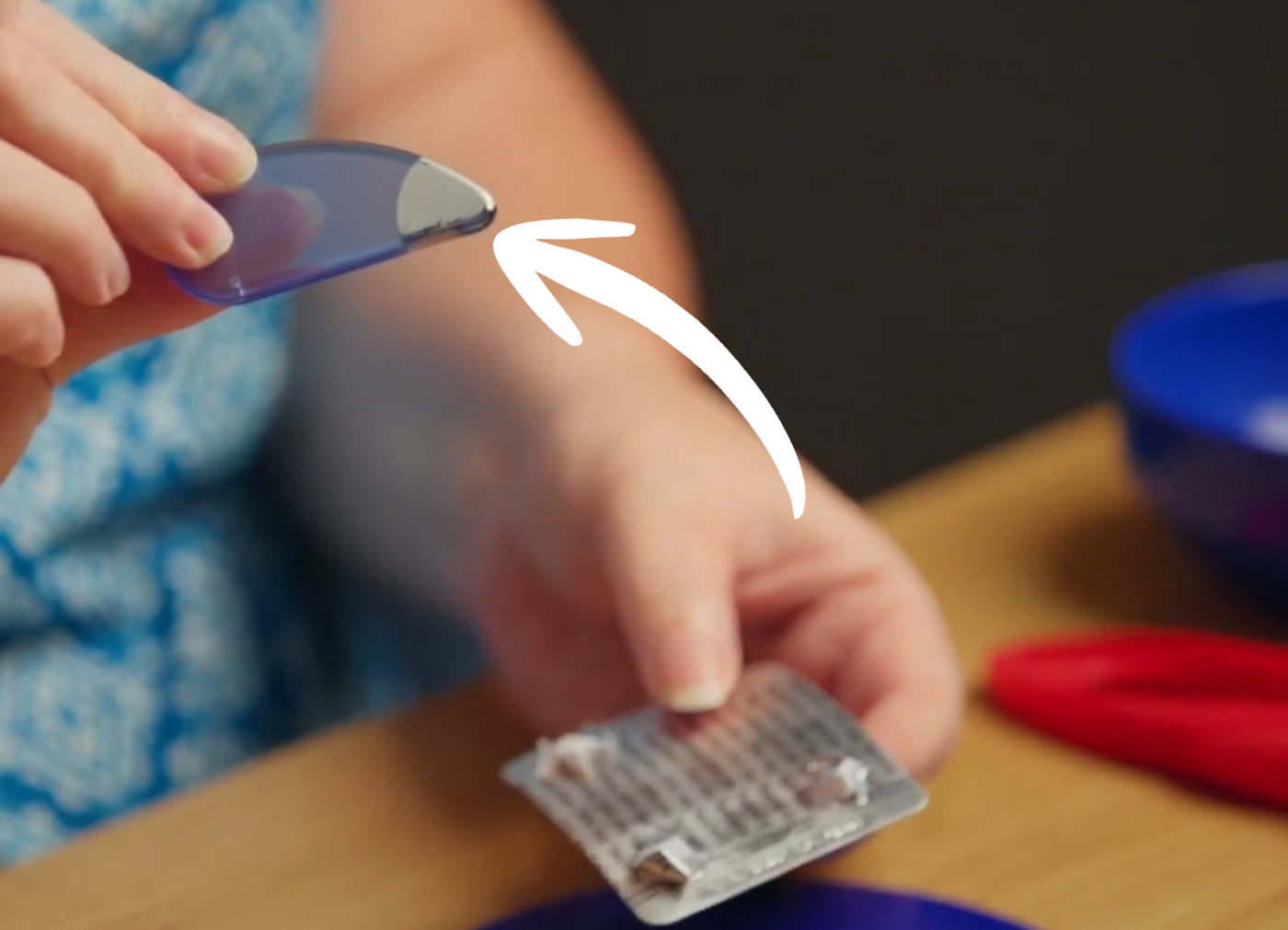
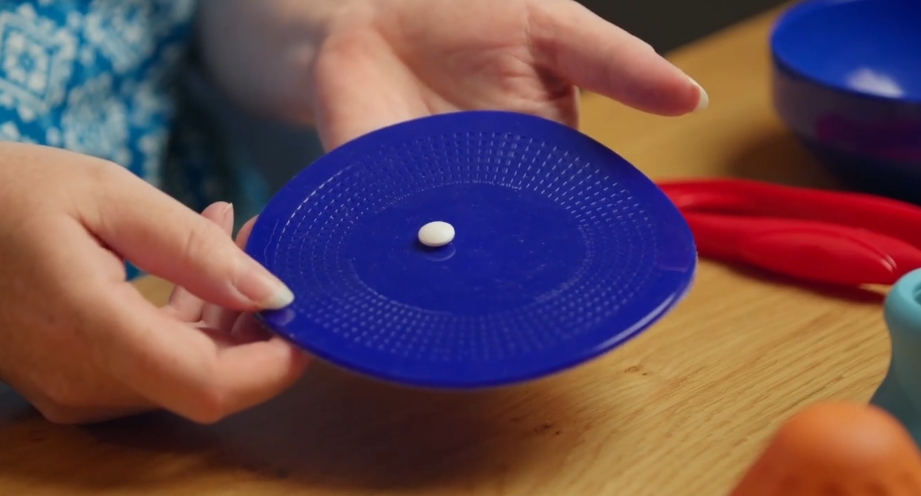
If you find it difficult to push tablets through a foil strip, you can use ceramic cutters to carefully open the foil without risking injury. Once opened, press the tablets out onto a rubber mat or into a container with a contrasting colour. This prevents them from rolling away and to make them easier to see.
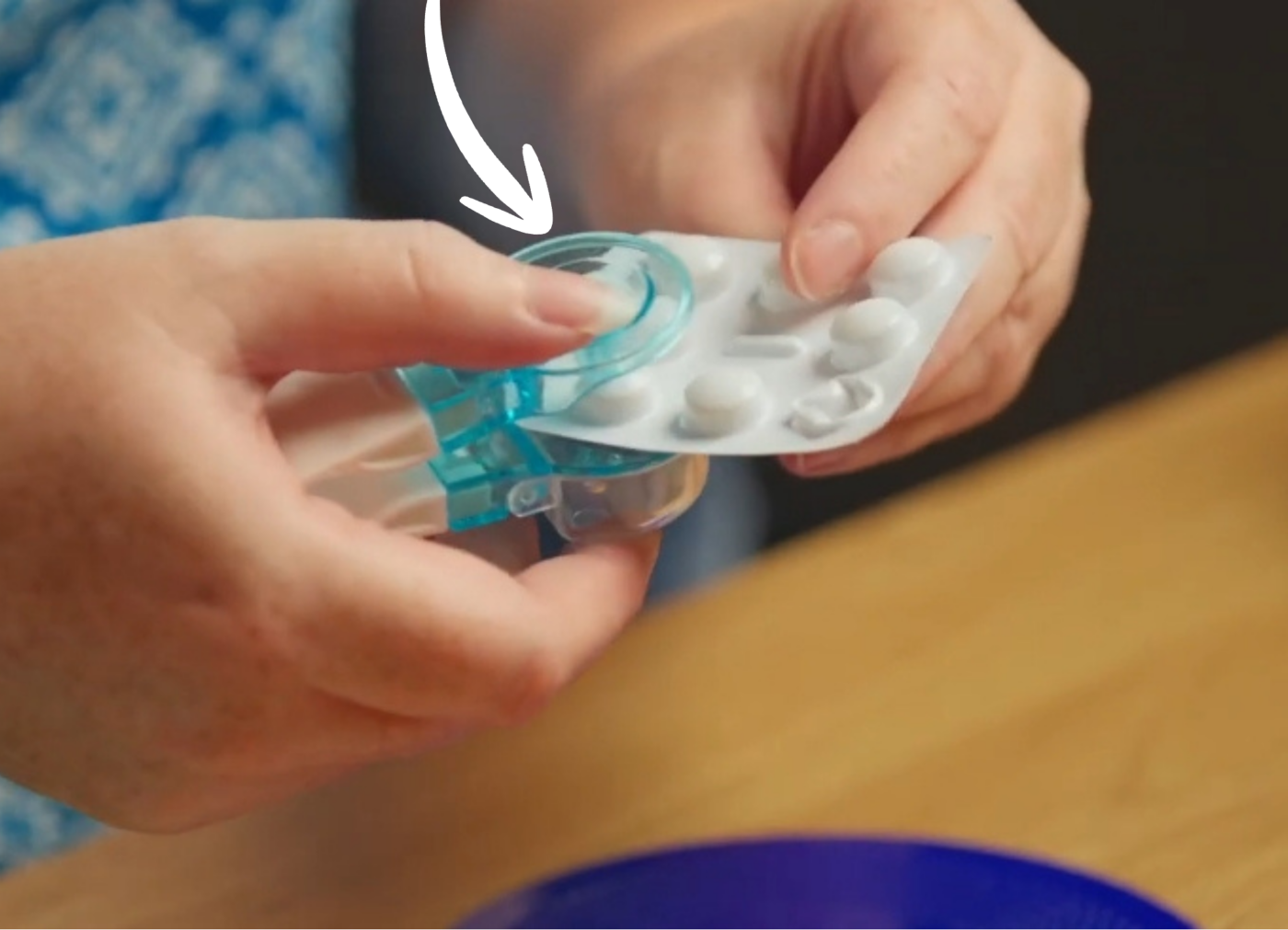
Alternatively, you can use a pill popper. Put the foil into the popper and push down using one or two hands. The tablet will come out into the popper.
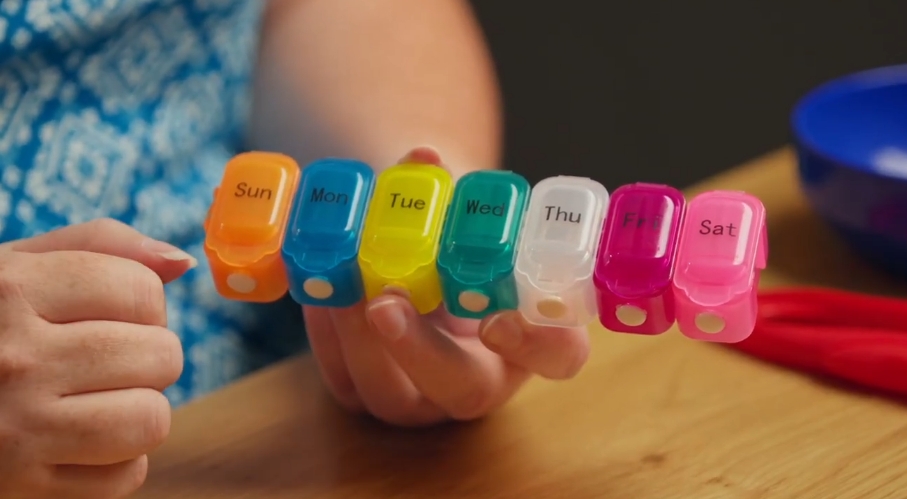
Choose a medication box that works for you, as some are tricky to open. You can find one where you can open one window at a time. Many boxes are labeled with days of the week to help you stay on track. Others use symbols, such as a sun for morning and a moon for evening, for easier recognition.
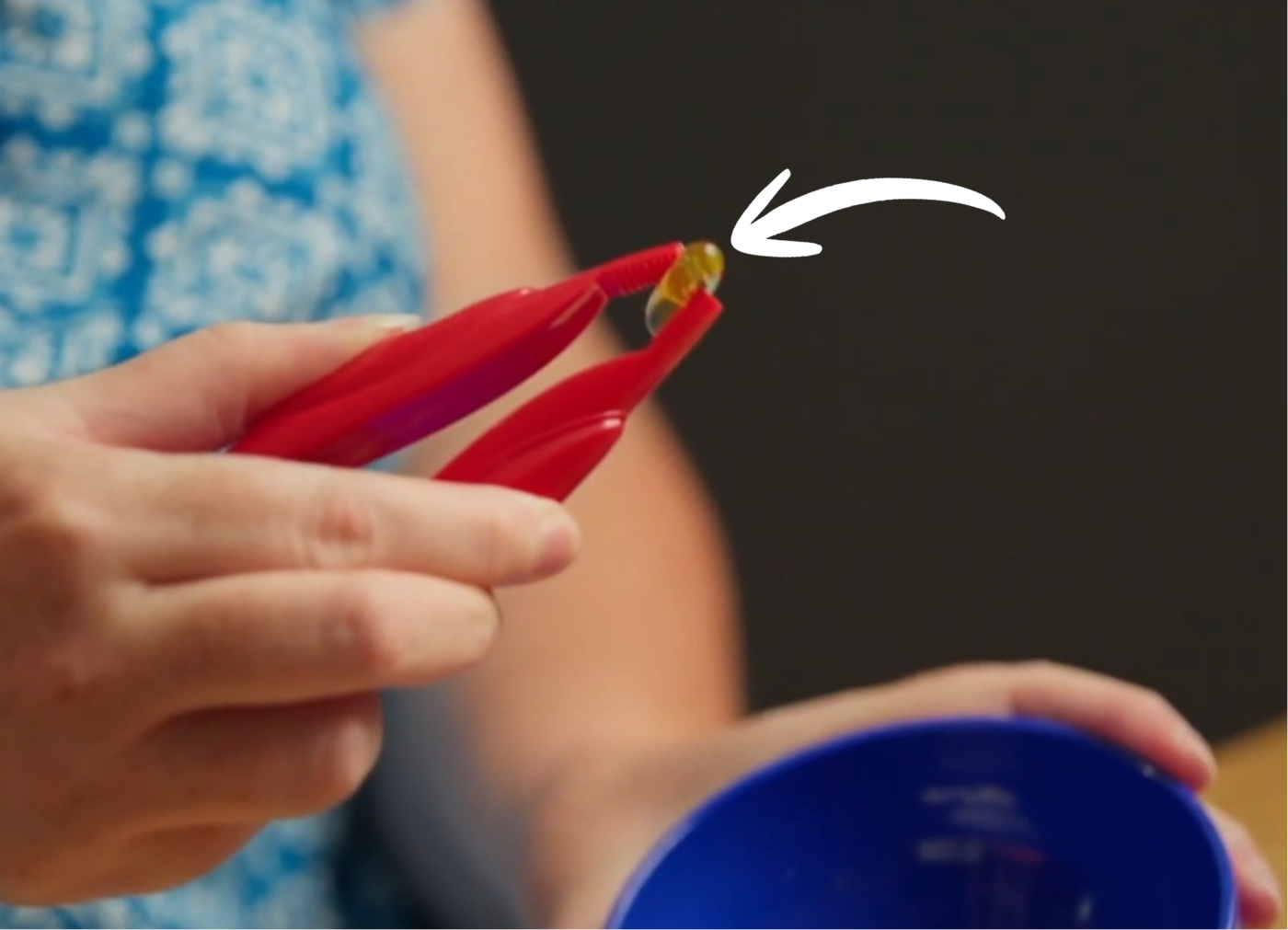
If you have difficulty picking up tablets, try using craft tweezers to handle them more easily. Keep in mind that this may not work for every type of tablet, so it’s worth experimenting with different styles of tweezers to find what works best for you.
We encourage you to seek advice from a GP, pharmacist or another healthcare professional if you notice any changes in your own oral health, or in the oral health of the person you care for, or if you have concerns about mouth discomfort, dry mouth or swallowing difficulties.
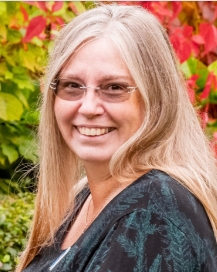 A compassionate and versatile Occupational Therapist and AHP Manager with over 30 years’ experience across the NHS, local authorities, private and charity sectors. I specialise in supporting adults with physical disabilities, dementia, rehabilitation needs, environmental adaptations, and palliative care. I’m committed to putting people at the centre of everything I do, delivering genuinely person-centred services and ensuring accessibility for all. I have a proven track record in interdisciplinary leadership, change management, innovation, creative problem-solving, service design, environmental adaptation, performance management, mentoring, customer service, and delivering outcomes that make a meaningful difference. In my spare time, I’m a passionate nature photographer!
The resources available are not, and are not intended to be, medical advice, which should be tailored to your individual circumstances. The resources are for your information only, and we advise that you exercise your own judgment before deciding to use the information provided. Professional medical advice should be obtained before taking action. Full terms and conditions.