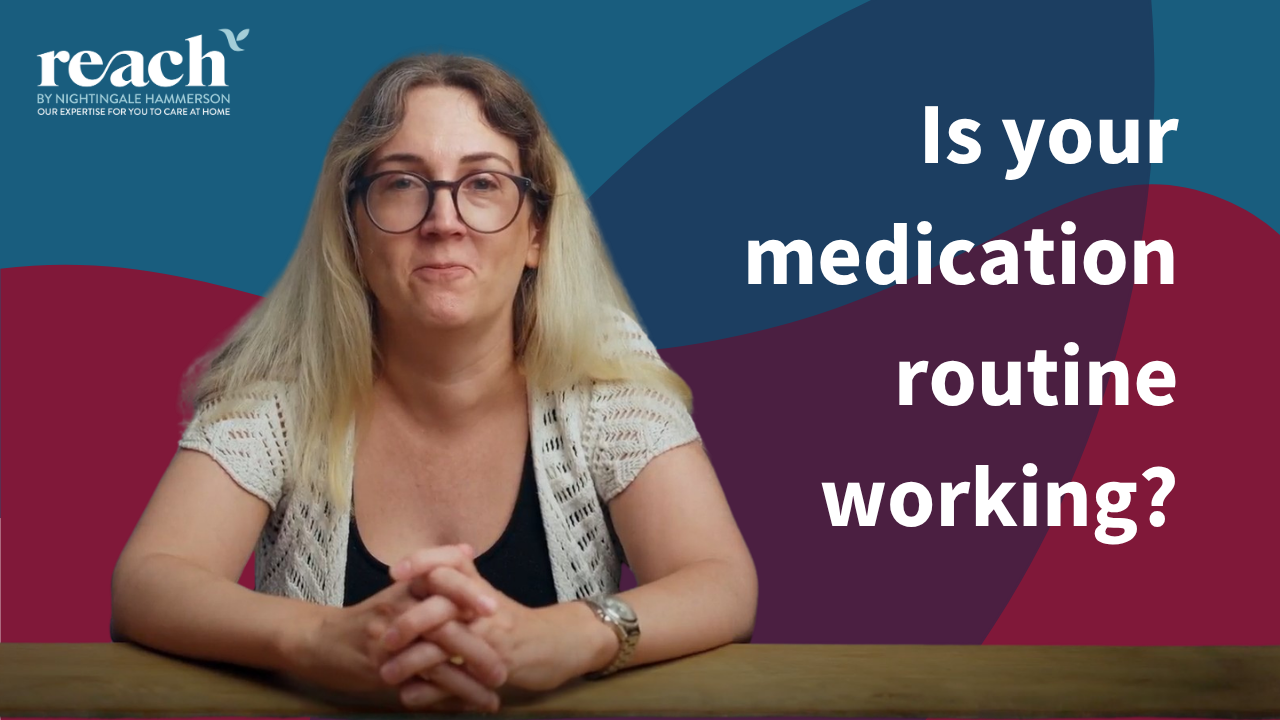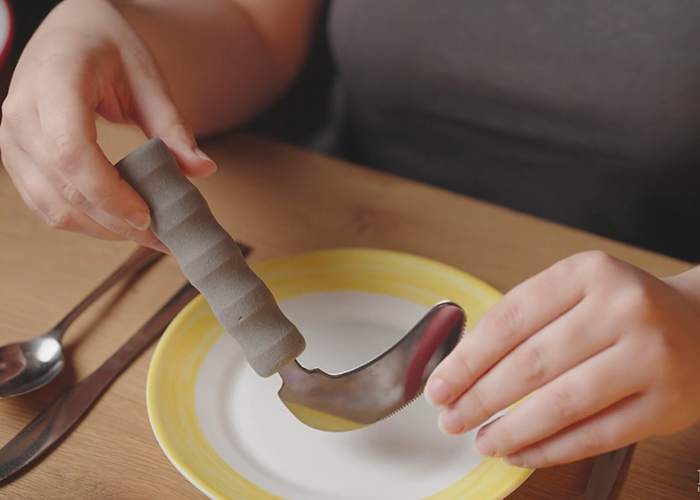


Have a look at this video for practical tools to make taking medication easier.

Take medication at the same time each day. Link it to a regular habit, like brushing your teeth or having breakfast.
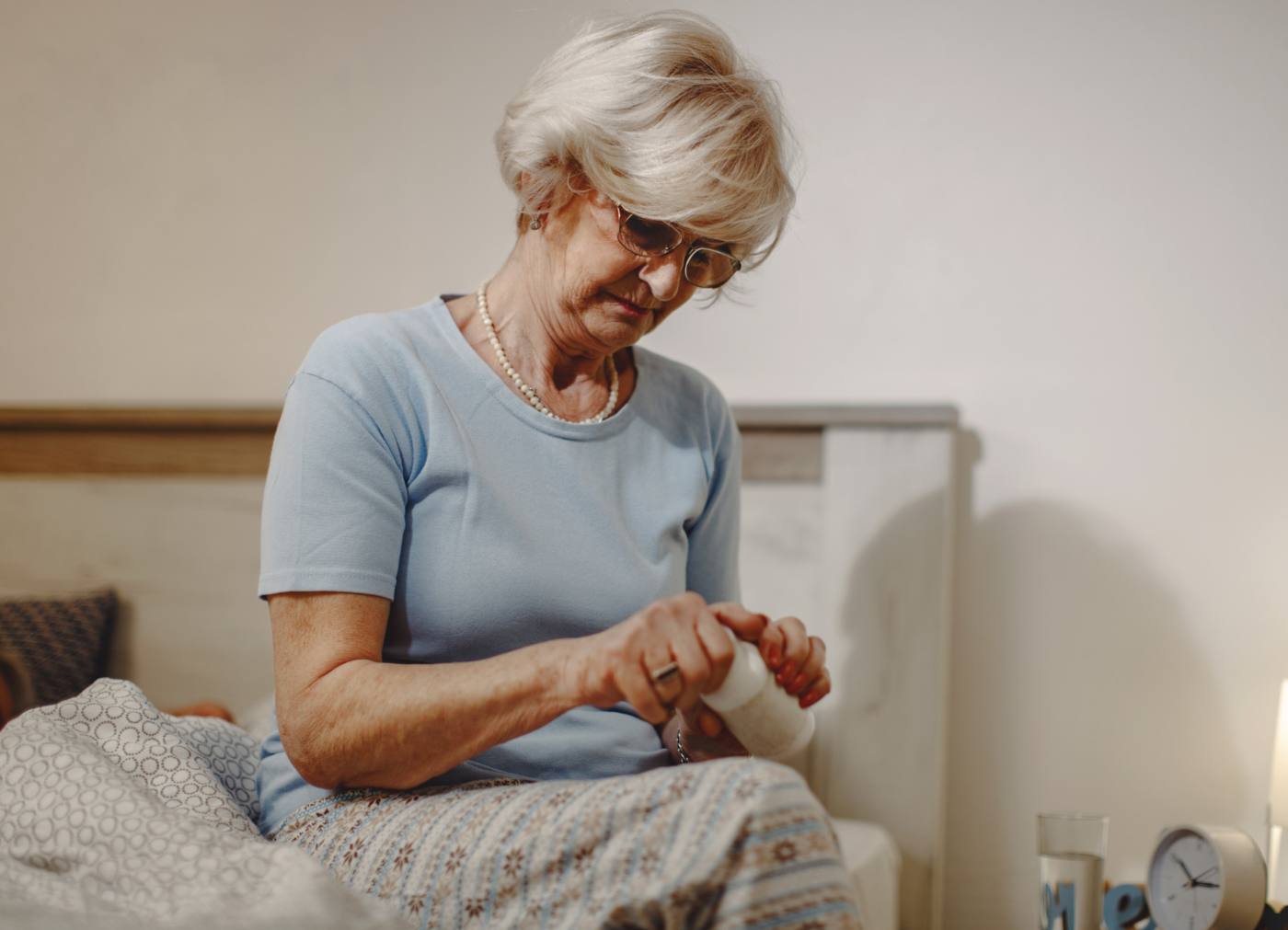
Try taking medication before lying down as it can cause effects like heartburn. Also, remember that some medication need to be taken with food, and others on an empty stomach. Check the label or speak with pharmacist if you're unsure.
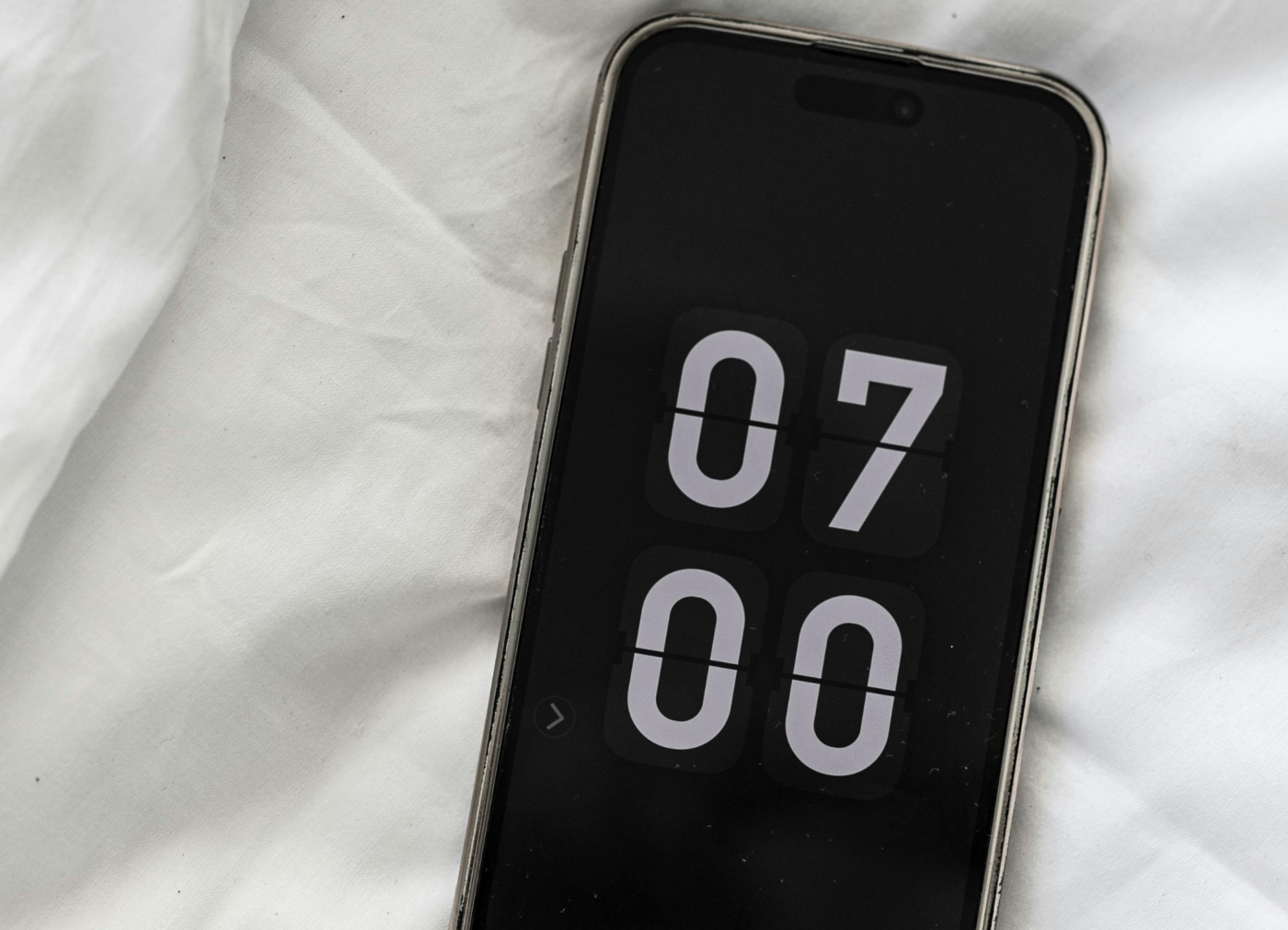
Use reminders such as reminder apps, alarms, smart pill dispensers and voice assistants.

Know what your medication is for and how to take it. This helps you spot side effects. Never crush or split tablets unless instructed to do so by your doctor or pharmacist.
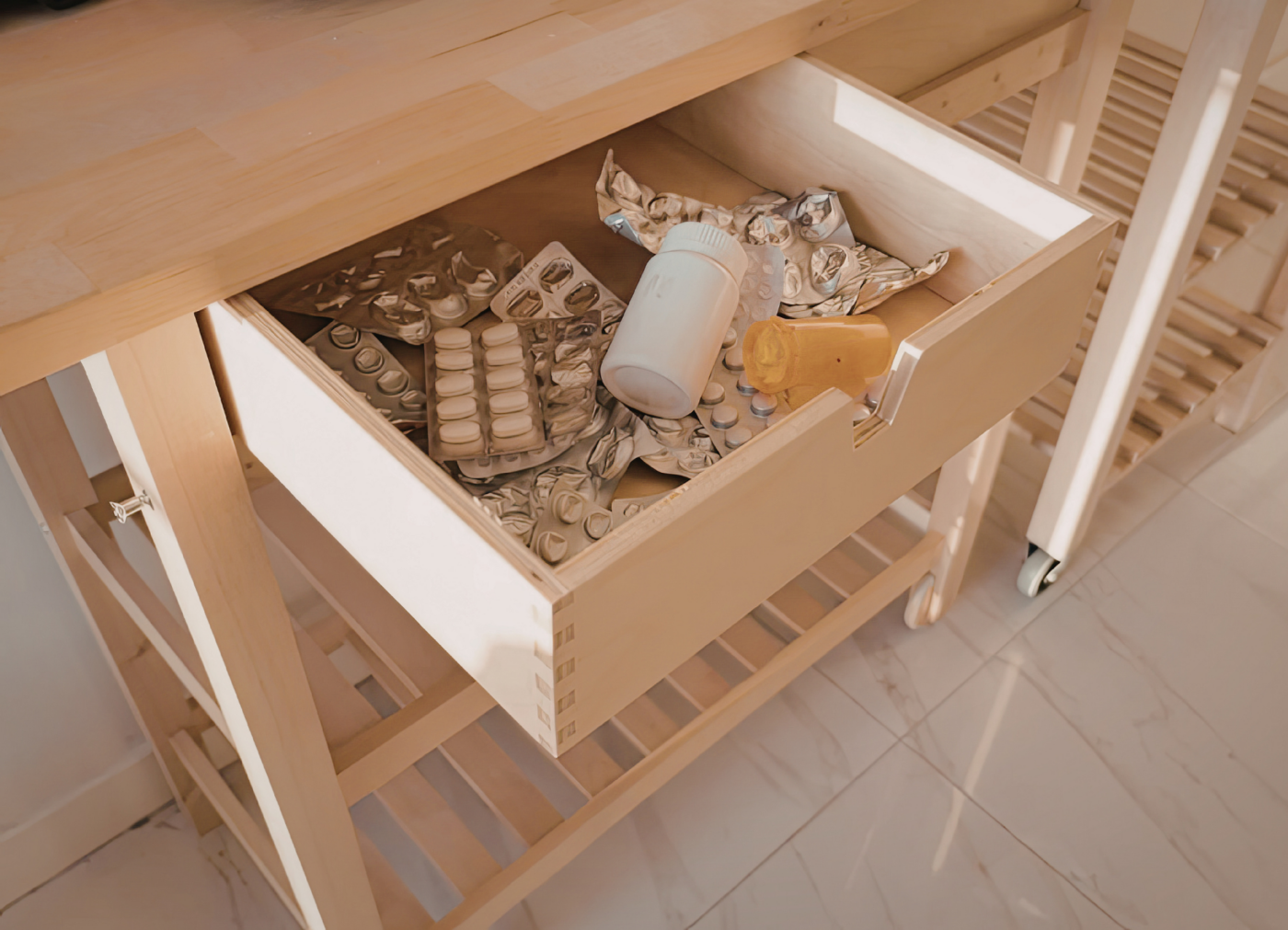
Store your medication in one place that is safe, secure and easy to access. Make sure it is out of reach of children, vulnerable adults and pets. Follow the storage instruction for the medicine. Some need to be kept in the fridge while others need to be away from heat. Keep a written list of all medicines, dosages and timings so it is easy to refer to.

In case you have unused medicine, return them to your pharmacy for safe disposal. Do not throw them in the bin or flush them away.
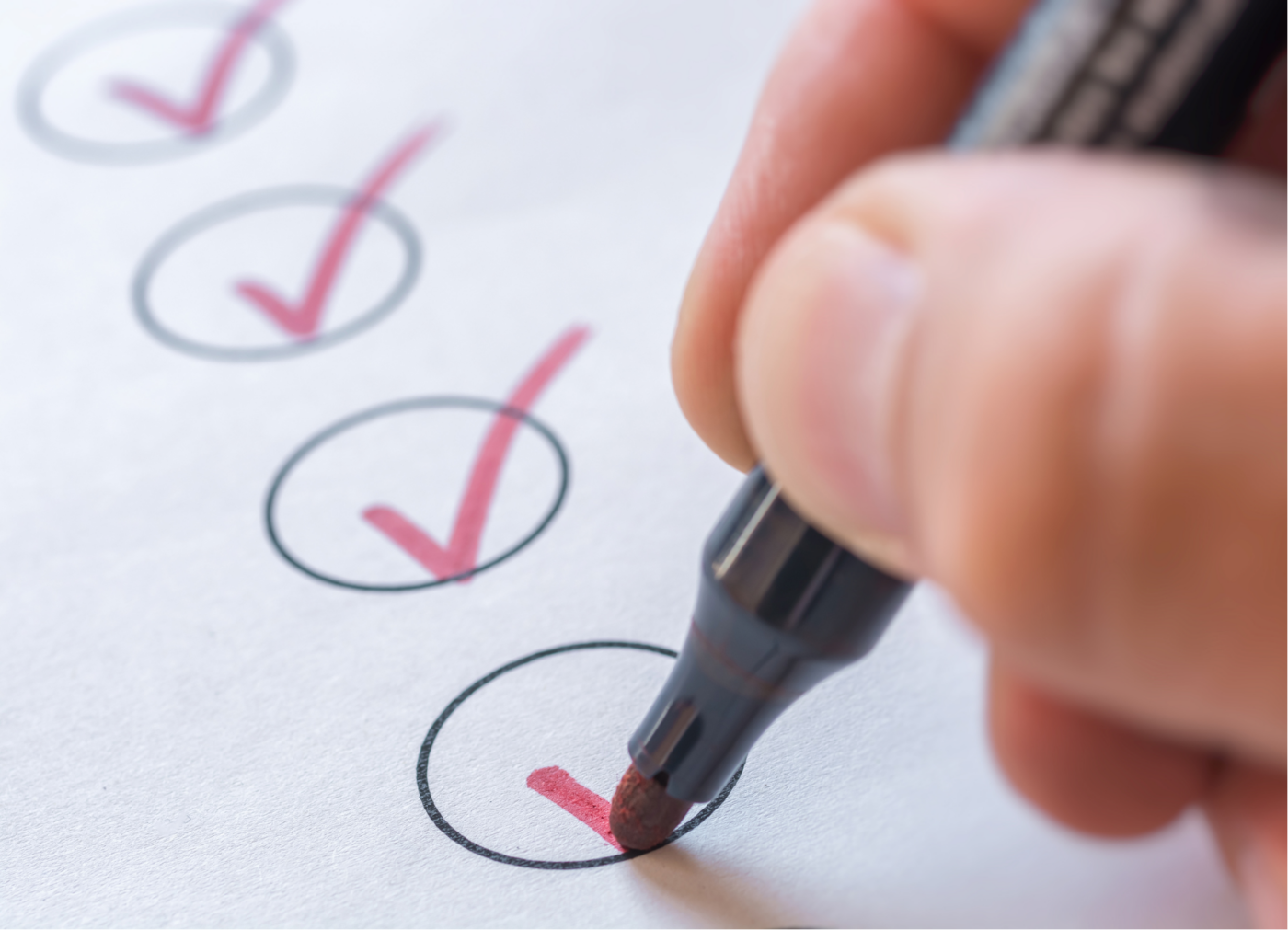
Focus on the most important medicines first. These are usually for long-term or serious conditions, like heart disease, diabetes or mental health. If you’re unsure which ones to prioritise, your GP or pharmacist can guide you.
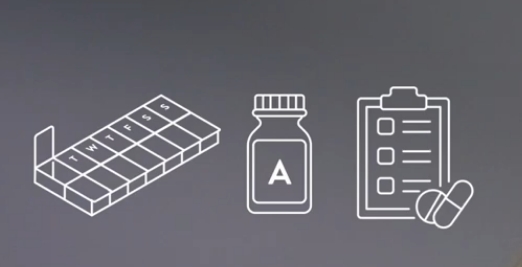
Always reach out if you are finding it difficult to manage your medication. Your GP and pharmacist can support you in many ways. Pharmacies can offer dossette boxes, large print labels or printed medication charts to make things easier. If you miss a dose, don't take a double one. Ask a healthcare professional what to do next.

Always check the label as some medication work better with food and others need to be taken on an empty stomach. Be aware that certain foods, such as grapefruit or high-fat meals, can affect how your medicine works. If you’re managing multiple conditions or following a special diet, speak to your healthcare team for advice.
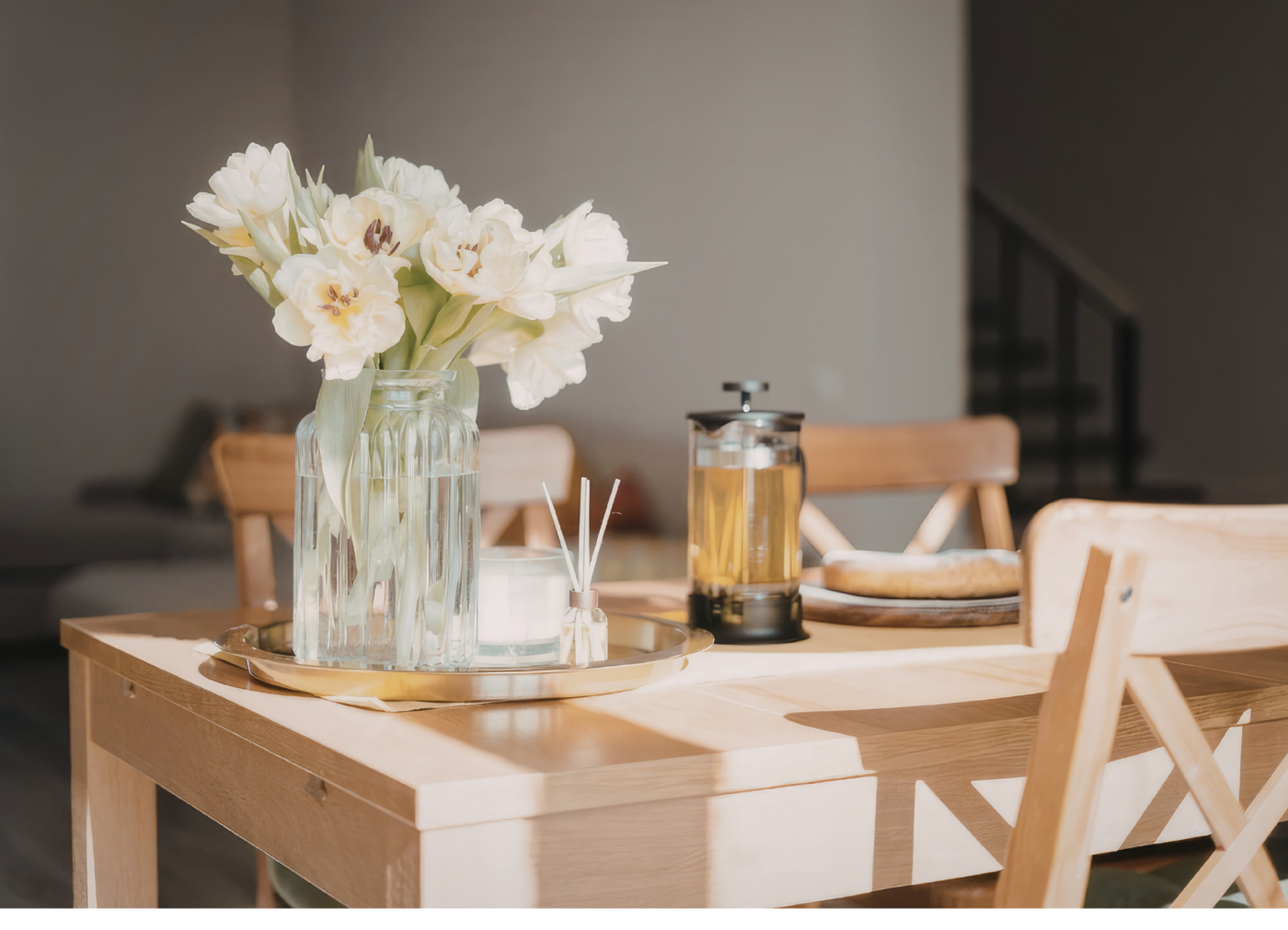
Take medication in a calm, quiet space where you can focus. Prepare in advance by setting out your medication along with any water or food you may need. If you’re supporting someone else, creating a relaxed environment can help them feel more at ease.
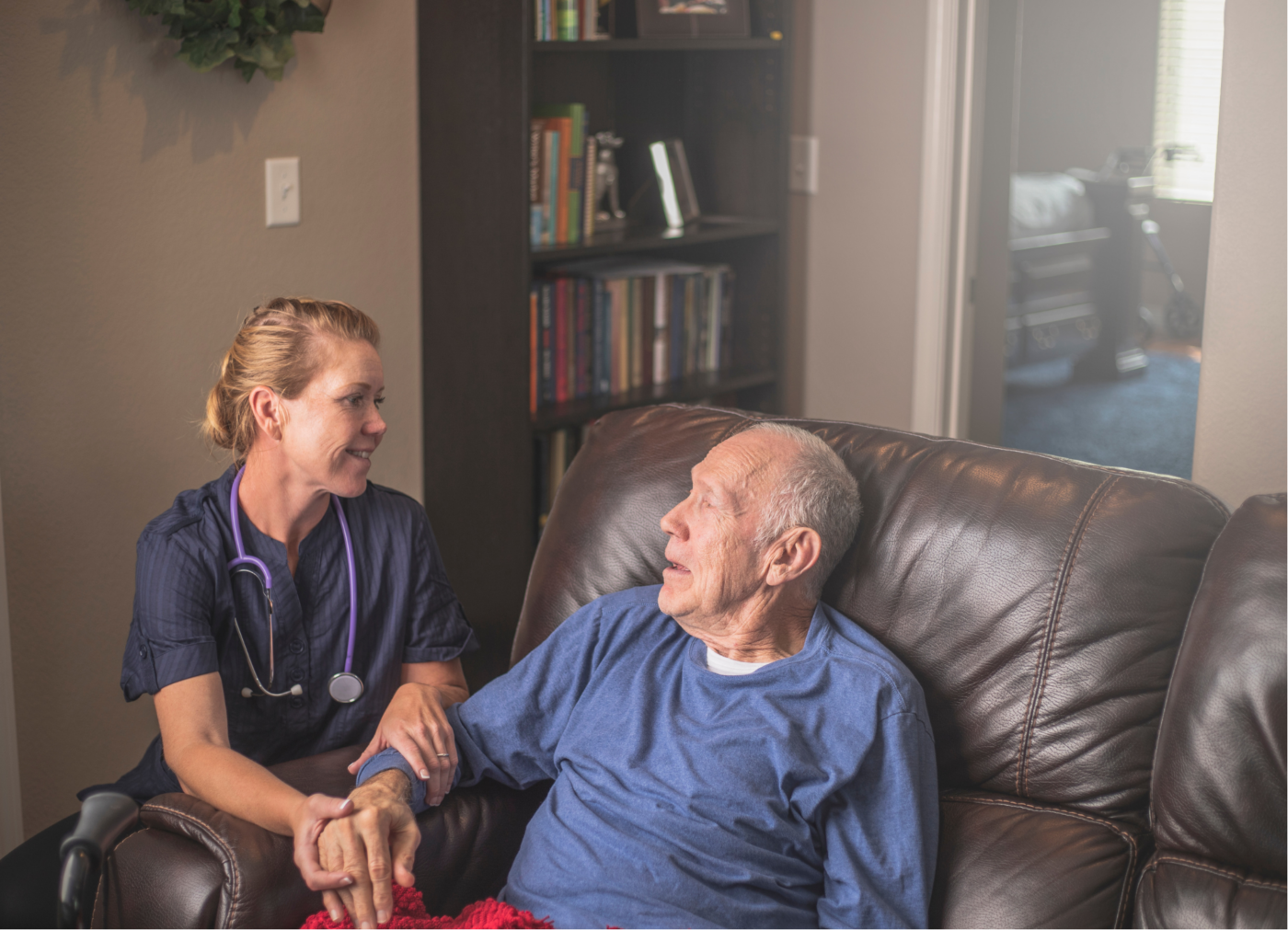
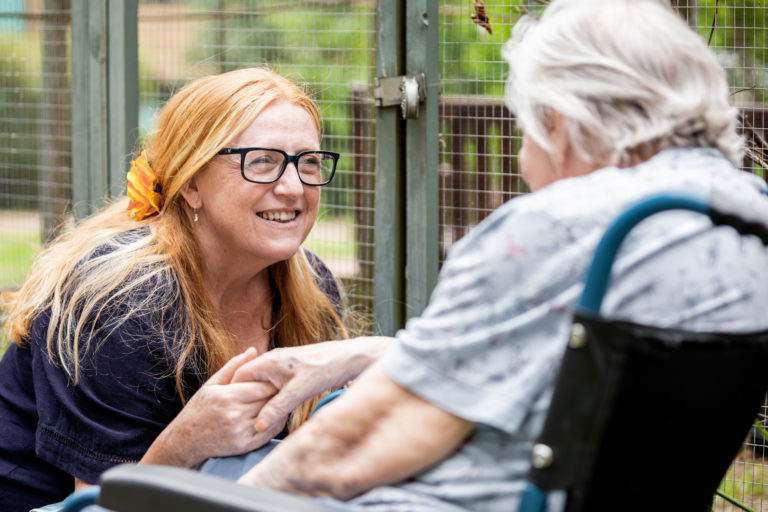
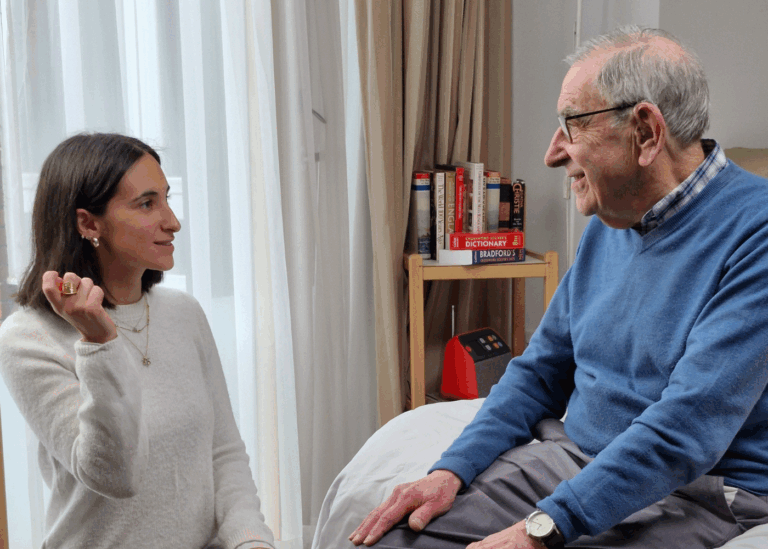
If you're supporting someone, explain what their medication is for and encourage questions. Offer reassurance if they are unsure or anxious. If English is not their first language, ask about translated instructions or interpreter support from the pharmacy or GP.
We encourage you to seek advice from a GP, pharmacist or another healthcare professional if you notice any changes in your own oral health, or in the oral health of the person you care for, or if you have concerns about mouth discomfort, dry mouth or swallowing difficulties.
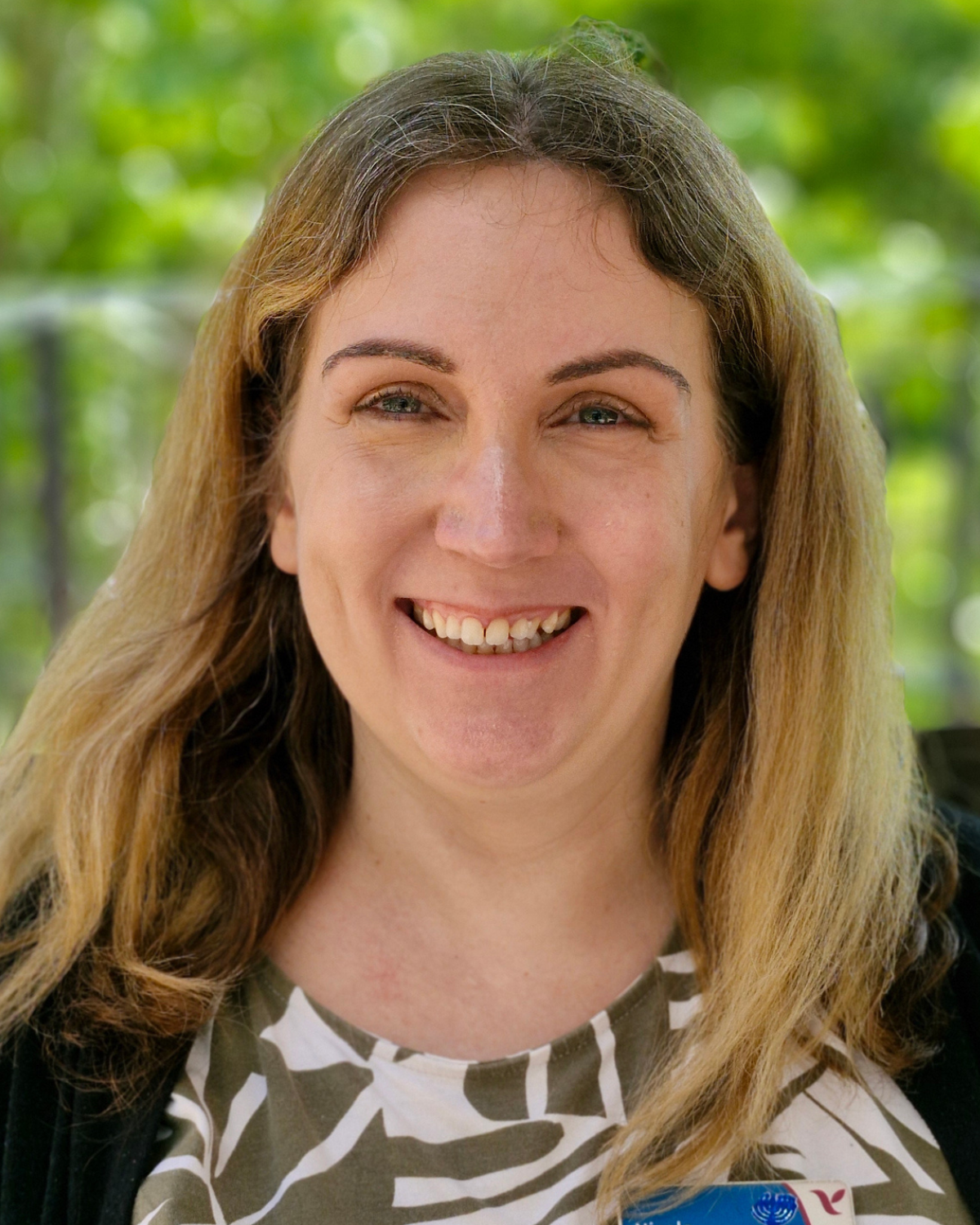 Nicola began her career in pharmacy with a Saturday job at a branch of Lloyds Pharmacy while still at school. She went on to complete her Pharmacy Technician training at Lewisham Hospital before moving into a private hospital in Chelsea. In 2008, she joined Nightingale House, where she quickly discovered that elderly care was the area in which she wanted to build her career.

The resources available are not, and are not intended to be, medical advice, which should be tailored to your individual circumstances. The resources are for your information only, and we advise that you exercise your own judgment before deciding to use the information provided. Professional medical advice should be obtained before taking action. Full terms and conditions.