
What to expect when caring for someone through their last weeks of life

These may be short and fluctuating, but are still impactful

These should ideally be done earlier but we understand that this is not always possible
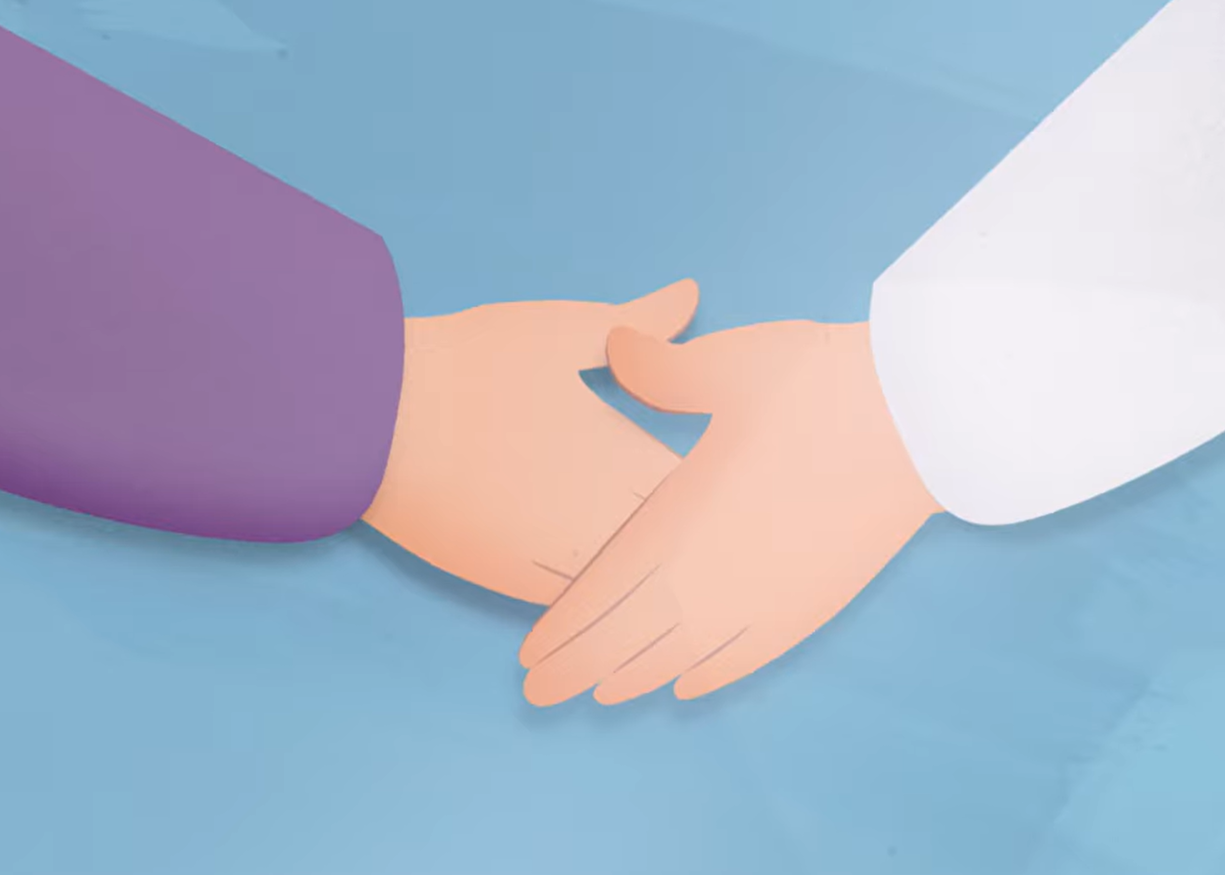
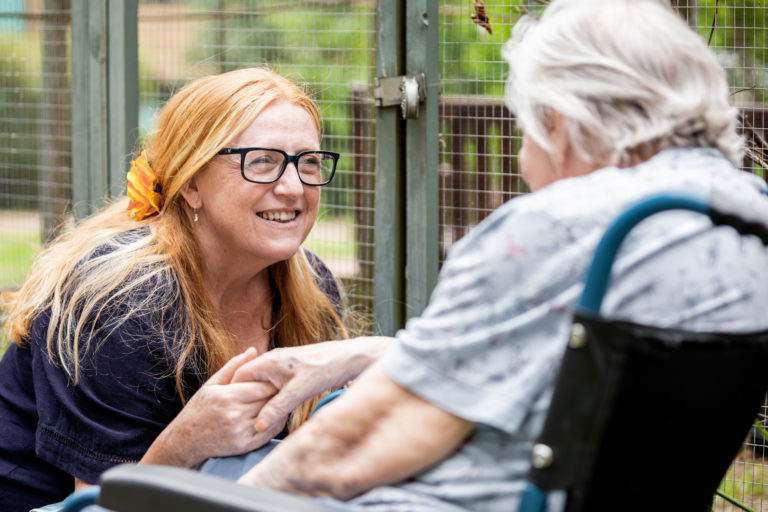
You can play music, sing songs or give hand massages
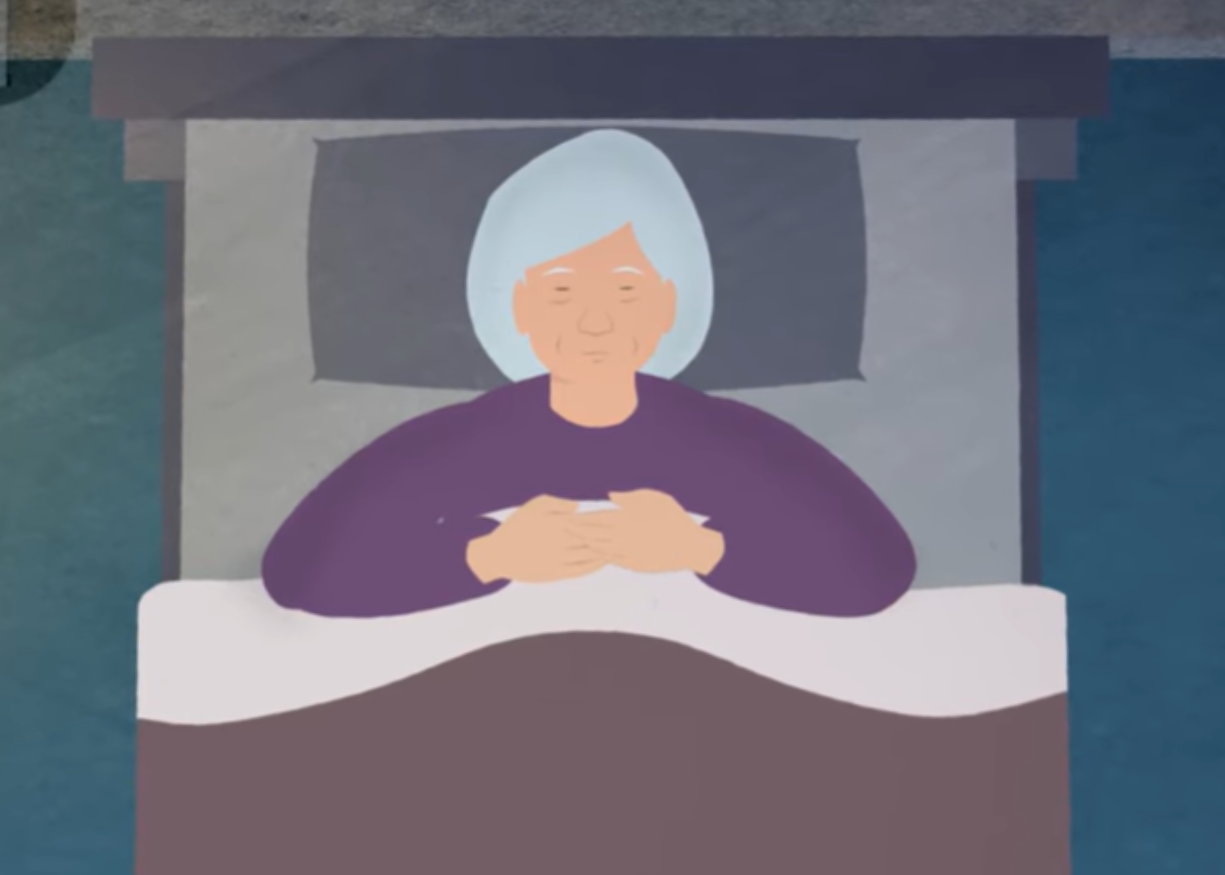
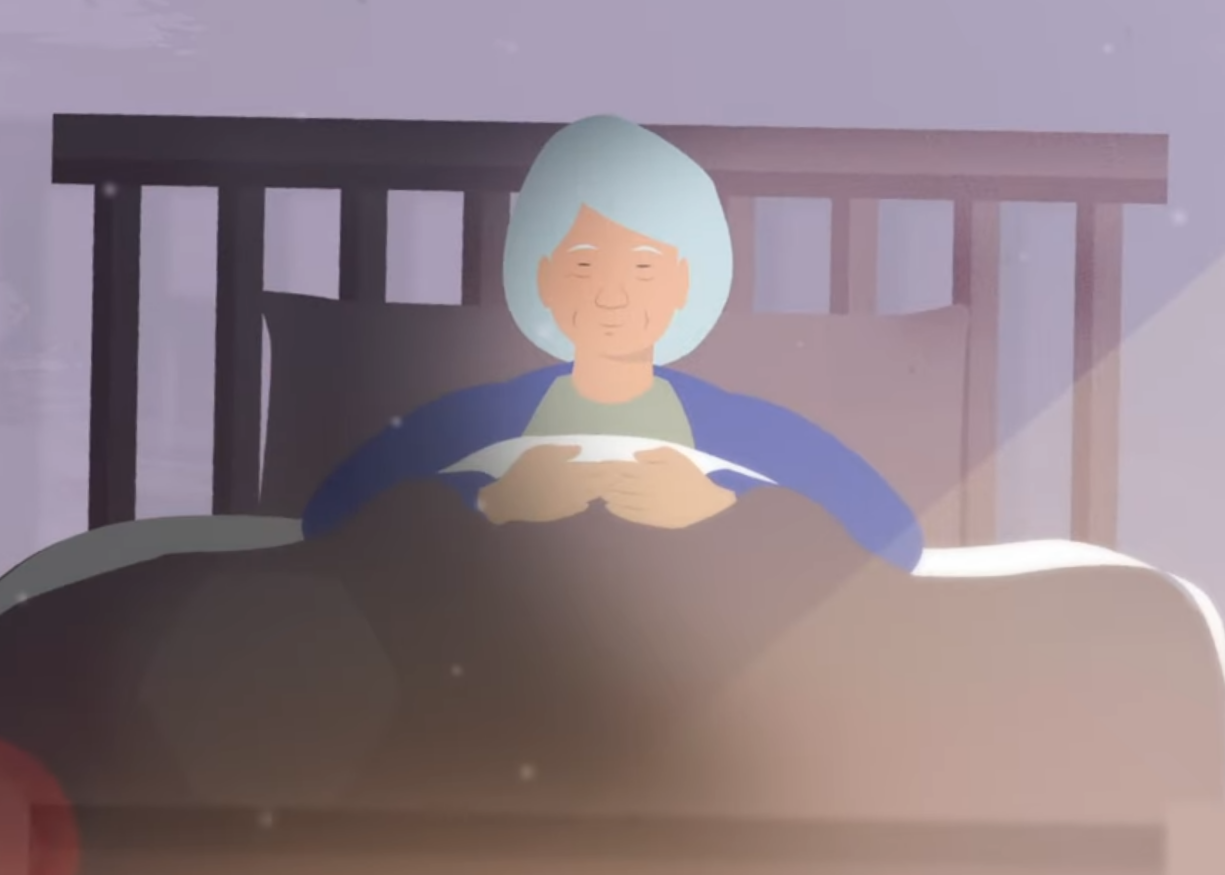
In the final days, most people spend all their time in bed and sleep for long periods. They may drift in and out of consciousness and can be difficult to wake, sometimes only opening their eyes briefly to take a sip of fluid.
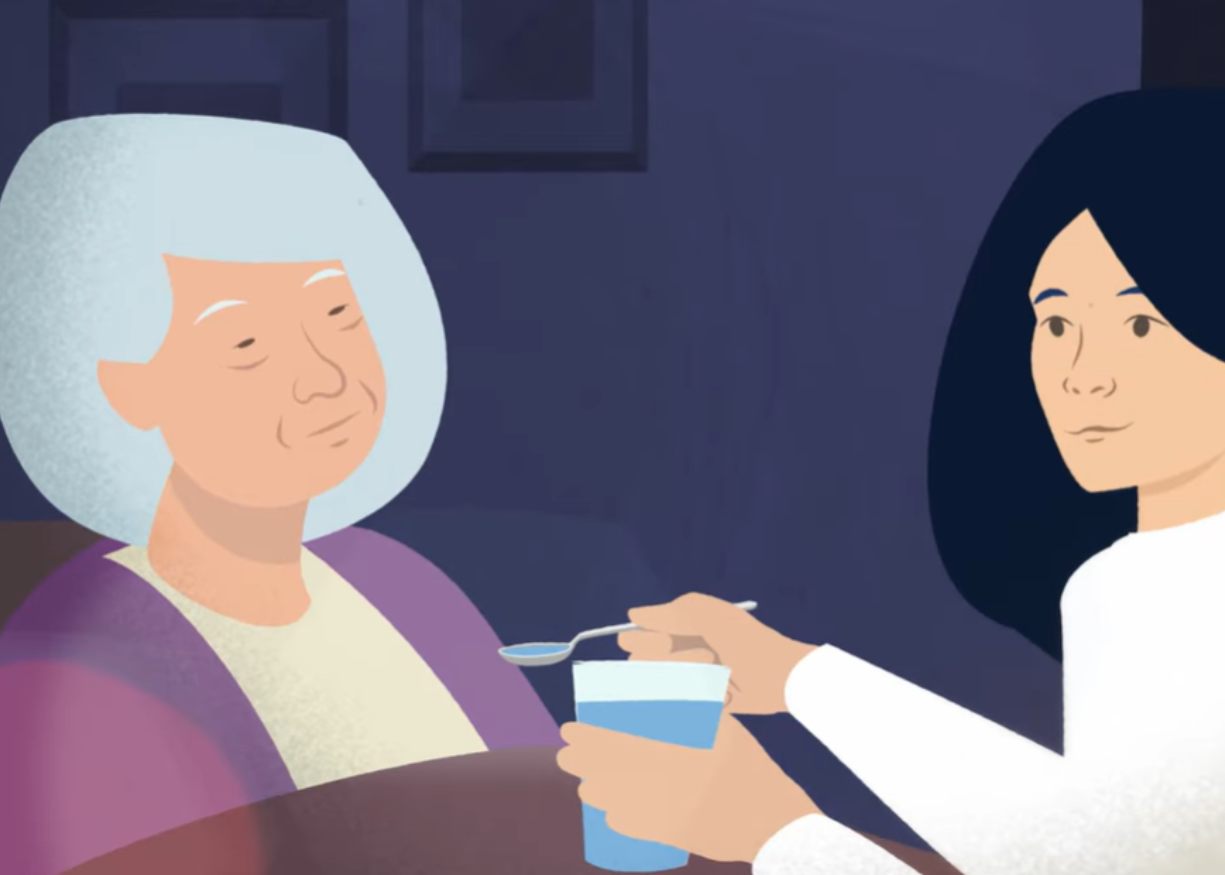
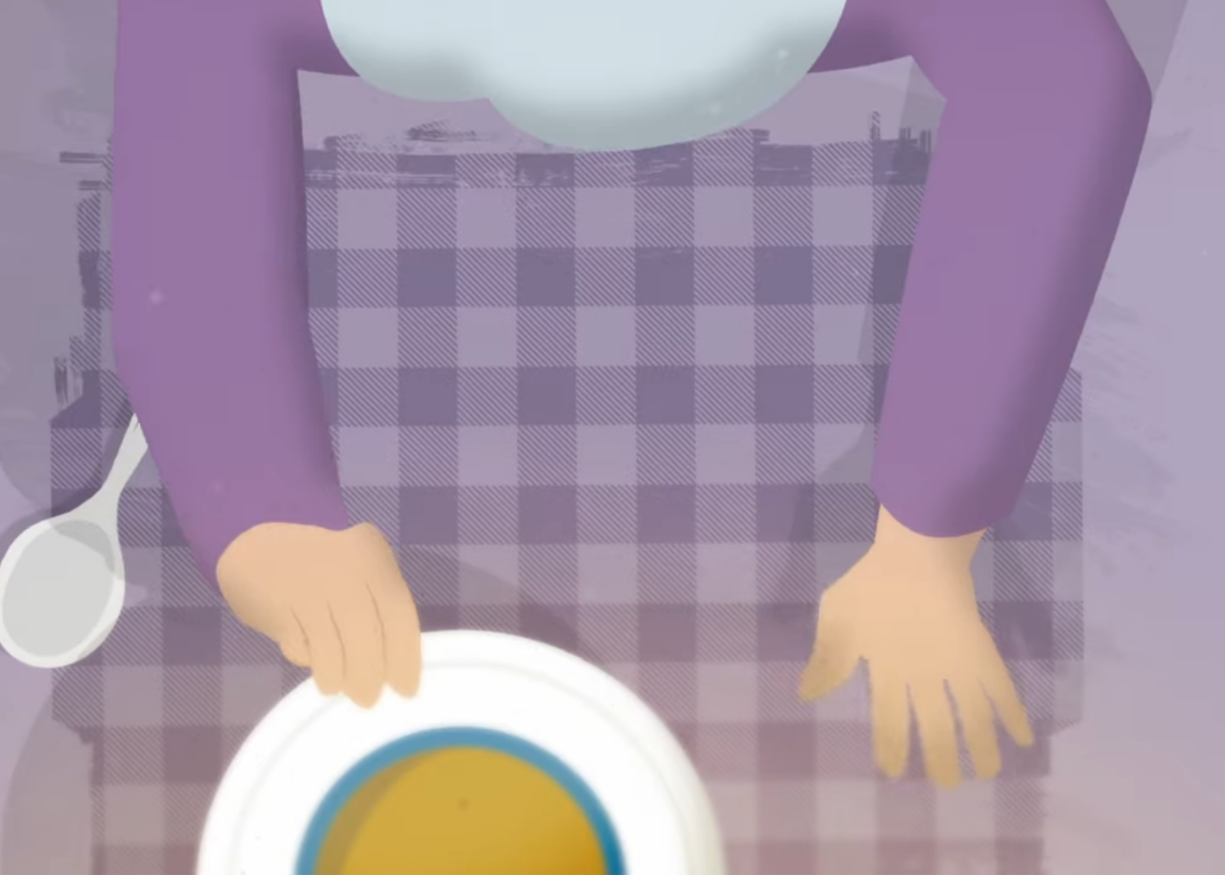
Swallowing often becomes very difficult. Appetite and the sensation of thirst reduces significantly. This is a natural part of the dying process and is not distressing for the person. Comfort focuses on good mouth care, such as moistening the lips or offering ice chips.

As circulation slows, hands and feet may feel cold and skin colour can change, appearing pale or slightly bluish. Breathing may become irregular or sound laboured, which can be upsetting to witness, but it is usually not painful for the person.
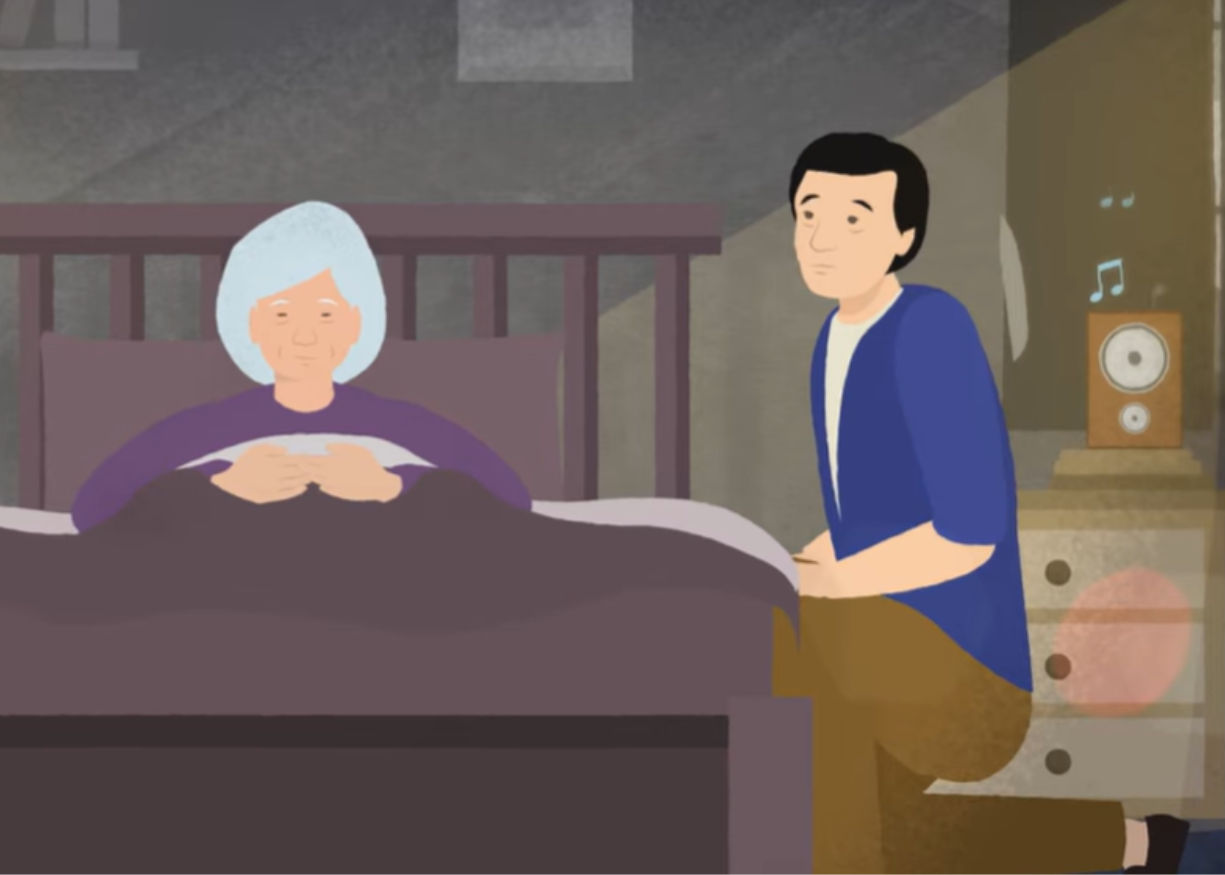
Pain rarely worsens in the final days and can be managed even if swallowing is no longer possible. Hearing is thought to be the last sense to fade, so gentle words, soothing music and simply being present can provide reassurance and comfort until death occurs naturally.
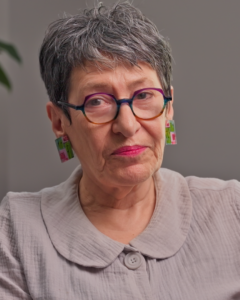 Dr Ros Taylor has over 30 years of experience in palliative care and was awarded an MBE for Services to Hospice Care following a nomination by a patient. She was Clinical Director at Hospice UK, a national umbrella organisation for the hospice/ palliative movement, advocating for improved access to palliative care in all settings including care homes. In January 2020, she took on the medical leadership role to re-open Michael Sobell Hospice in West London. She has contributed to the Lancet Commission on the Value of Death on topics such as the ‘will to live’, power and gender issues. She is a Senior Advisor to the Montreal International Congress on Palliative Care, and has most recently developed a new resource, HPAL, which curates essential palliative information for both family and professional caregivers.

The resources available are not, and are not intended to be, medical advice, which should be tailored to your individual circumstances. The resources are for your information only, and we advise that you exercise your own judgment before deciding to use the information provided. Professional medical advice should be obtained before taking action. Full terms and conditions.