

If you still have capacity consider appointing a Lasting Power of Attorney.
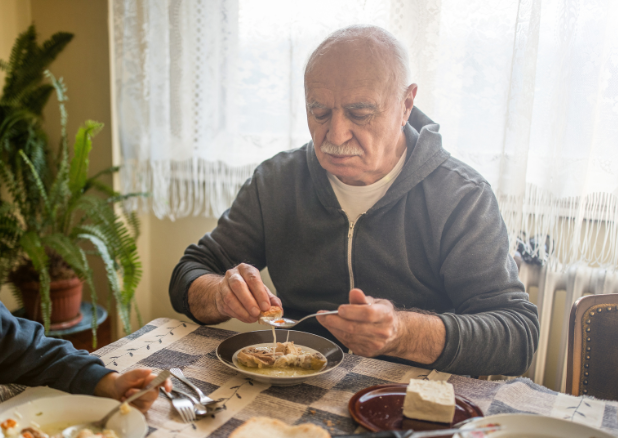
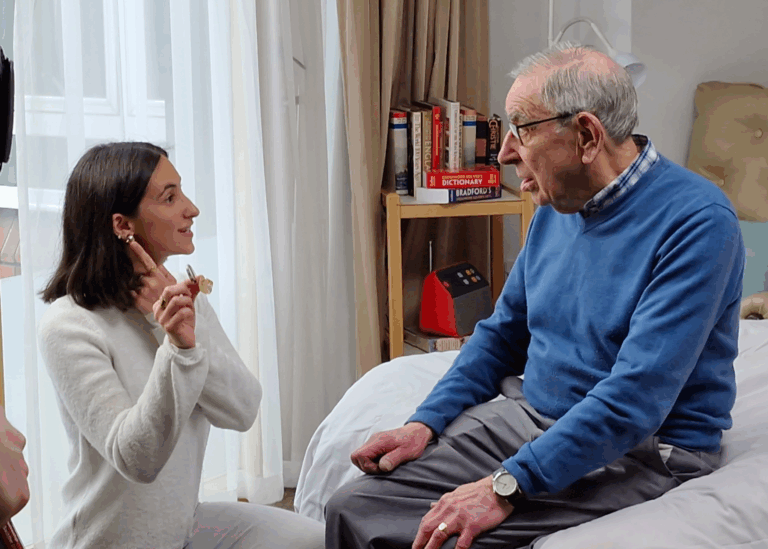
If you know someone who has lost capacity and has no one to support them, an IMCA can be appointed to make decisions in their best interests.
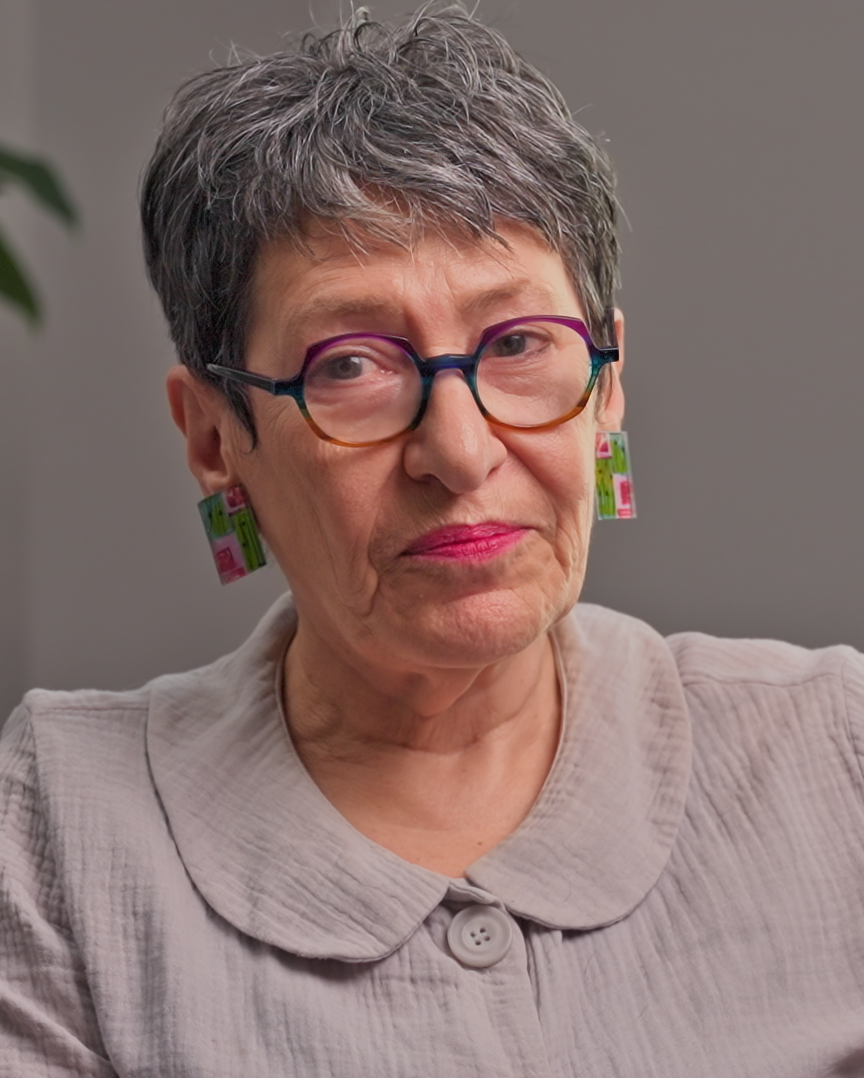 Dr Ros Taylor has over 30 years of experience in palliative care and was awarded an MBE for Services to Hospice Care following a nomination by a patient. She was Clinical Director at Hospice UK, a national umbrella organisation for the hospice/ palliative movement, advocating for improved access to palliative care in all settings including care homes. In January 2020, she took on the medical leadership role to re-open Michael Sobell Hospice in West London. She has contributed to the Lancet Commission on the Value of Death on topics such as the ‘will to live’, power and gender issues. She is a Senior Advisor to the Montreal International Congress on Palliative Care, and has most recently developed a new resource, HPAL, which curates essential palliative information for both family and professional caregivers.

The resources available are not, and are not intended to be, medical advice, which should be tailored to your individual circumstances. The resources are for your information only, and we advise that you exercise your own judgment before deciding to use the information provided. Professional medical advice should be obtained before taking action. Full terms and conditions.