
Support our Pesach 2026 Appeal by clicking here

Activities and engagement

Eating and drinking

Future care planning

Hearing

Medication management

Mobility

Oral care

Phone accessibility

Sleep

When Too Many Medications Becomes a Risk

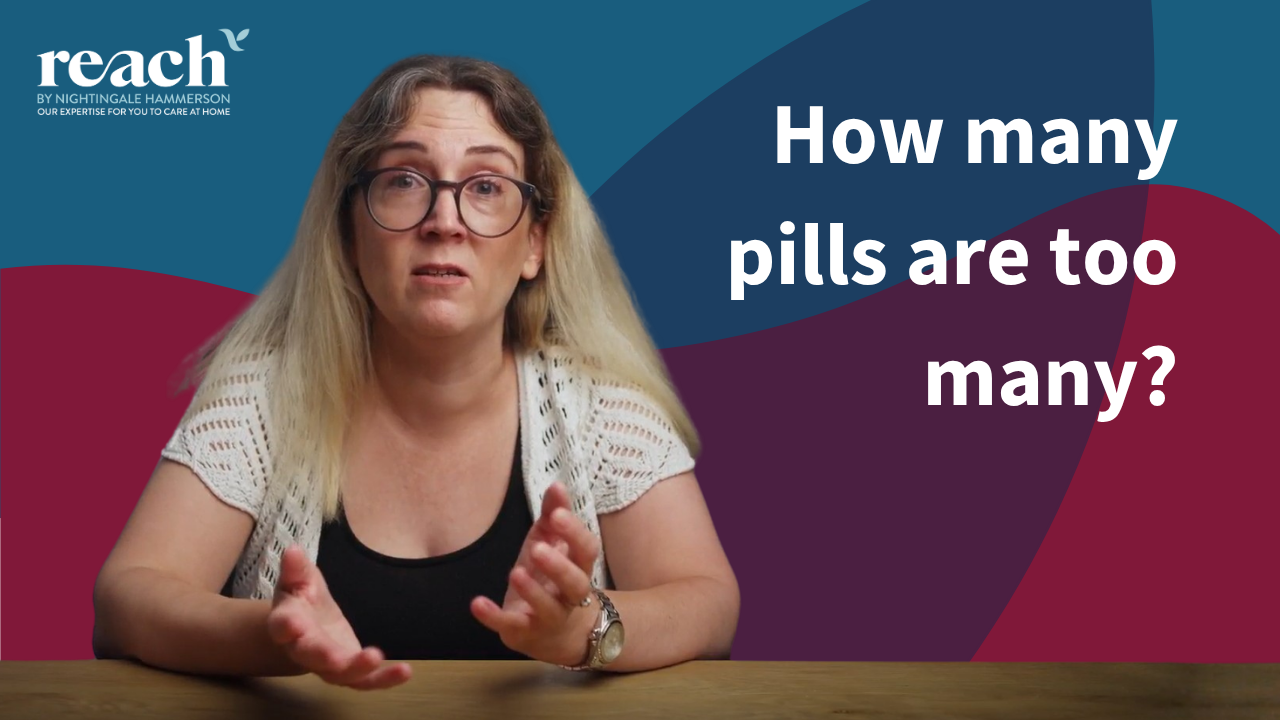
This video explains polypharmacy, the use of five or more medications, common in older adults with multiple conditions. It highlights risks, such as side effects and prescribing cascades, where drugs treat other drugs’ effects, and emphasizes regular medication reviews to reduce harm and improve quality of life.

Have a look at this video as we explore what covert administration is, why it’s a last resort, and the legal and ethical steps required before hiding medication in food or drink.

If you're taking more than five medications a day, it may be time for a review. We will talk about polypharmacy, which affects many adults, particularly older adults.

-----------------------------------

What is polypharmacy

  • It refers to the use of multiple medications by one individual, typically 5 or more at the same time. 
  • The Royal Pharmaceutical Society describes polypharmacy as a serious and growing public health challenge.
  • As people live longer and develop multiple conditions, the number of medications prescribed often increases.
  • Taking more medicines increases the risk of side effects, medication errors and interactions.

When is it a concern?

  • Some polypharmacy is appropriate and necessary. However, in some cases it can become excessive or unsafe.
  • It becomes problematic when the potential harm of taking several medications outweighs the benefits.
  • It also occurs when the individual does not understand what the medicines are for, how they work or the impact of not taking them properly.

What causes problematic polypharmacy?

2 common causes:

  • When a person is under the care of multiple specialists. For example, someone may be seen by a cardiologist, a diabetes team and a gastroenterologist. Each specialist may prescribe medication for their specific condition but may not be fully aware of what the others have prescribed. This can result in duplicate treatments, interactions or unnecessary medication.
  • Another common cause is that some medicines are intended for short-term use but are never reviewed. Over time, they remain on repeat prescriptions even when they are no longer needed. For example, a woman in her 80s who moved into a care home was still taking folic acid, despite not having had a folate test in years. She had originally been prescribed it during pregnancy more than 40 years earlier, and it never stopped. 

Medication review

  • If you or someone you care for is taking several medications, contact the GP surgery to ask for a review.
  • Most GP practices now have pharmacists who can carry out a full medication review.
  • The GP may also refer you to a hospital-based polypharmacy clinic.
  • These reviews consider the full picture, not just prescriptions from a single clinic or department.
  • Since October 2020, anyone taking 10 or more medicines qualifies for a structured medication review.

Polypharmacy case study

  • This case study illustrates how polypharmacy can build up quickly. 
  • An 80-year-old woman who had previously been taking only paracetamol was later found to be on five different medicines, all introduced within just a two-year period.
  • Only one medicine treated the original condition while others treated side effects. 
  • She was first prescribed Ibuprofen for arthritis. Regular use of this raised her blood pressure, so she was started on Amlodipine. This caused swollen ankles, so Furosemide was added to reduce the fluid. This led to urinary frequency which affected her quality of life so Oxybutynin was introduced. Finally, it caused constipation so Macrogol was prescribed to manage that.
  • This shows how quickly a simple medication regime can grow, sometimes unnecessarily and highlights the importance of regular reviews.

We encourage you to seek advice from a GP, pharmacist or another healthcare professional if you have any concerns or questions. 

Meet our experts

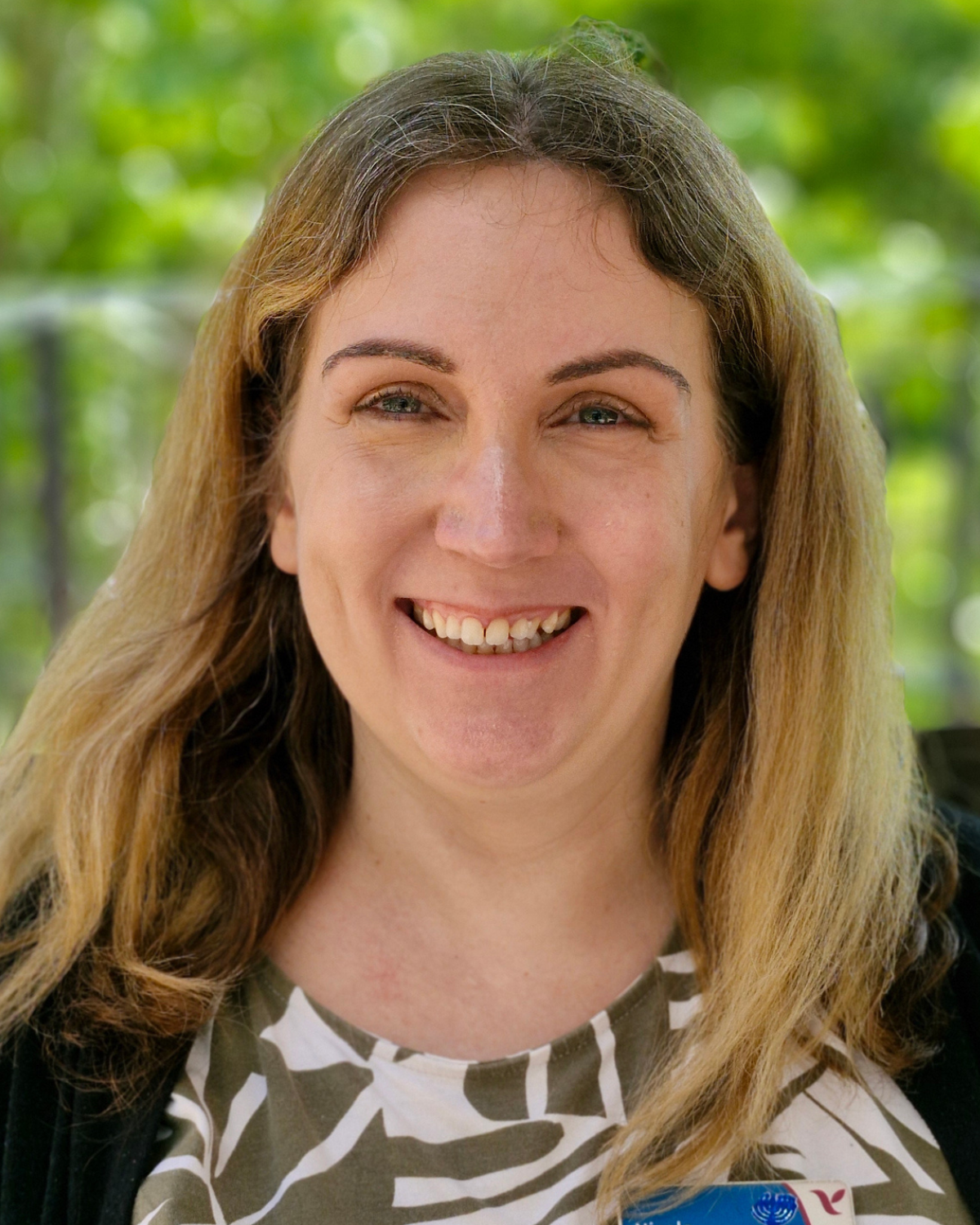
Nicola Perkins

Nicola began her career in pharmacy with a Saturday job at a branch of Lloyds Pharmacy while still at school. She went on to complete her Pharmacy Technician training at Lewisham Hospital before moving into a private hospital in Chelsea. In 2008, she joined Nightingale House, where she quickly discovered that elderly care was the area in which she wanted to build her career.

Was this useful? Please let us know

The resources available are not, and are not intended to be, medical advice, which should be tailored to your individual circumstances.  The resources are for your information only, and we advise that you exercise your own judgment before deciding to use the information provided. Professional medical advice should be obtained before taking action. Full terms and conditions