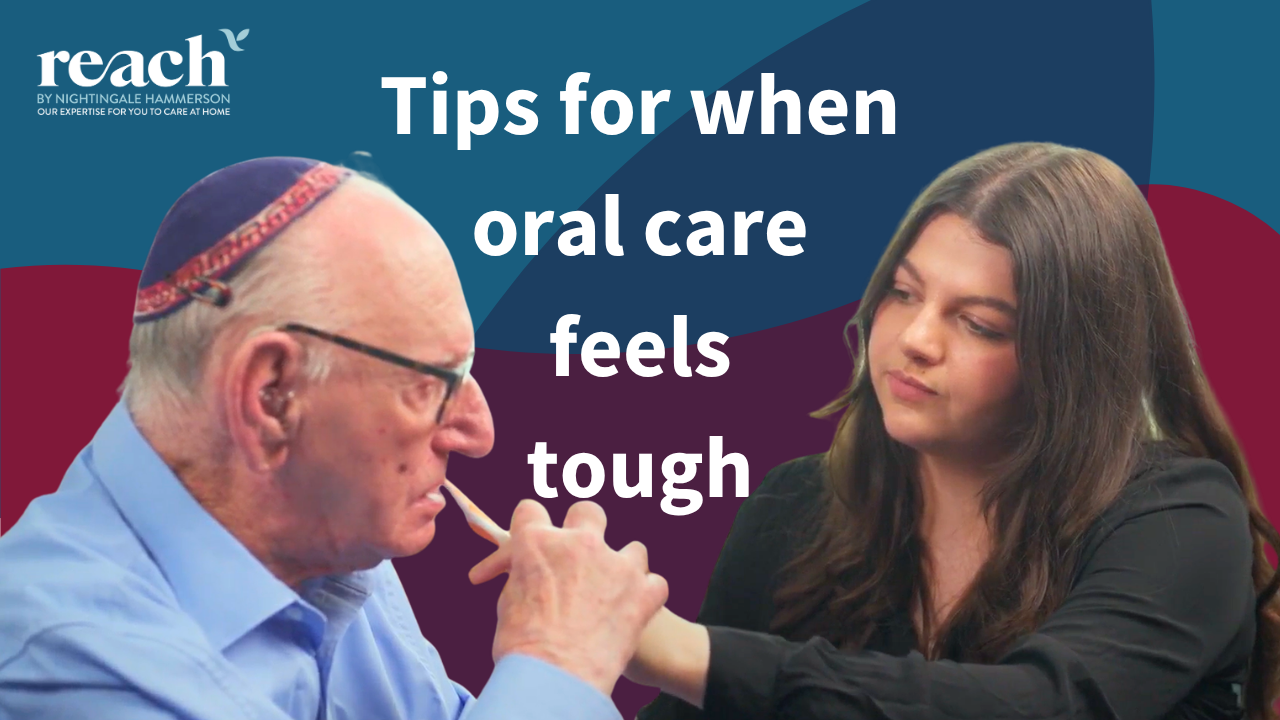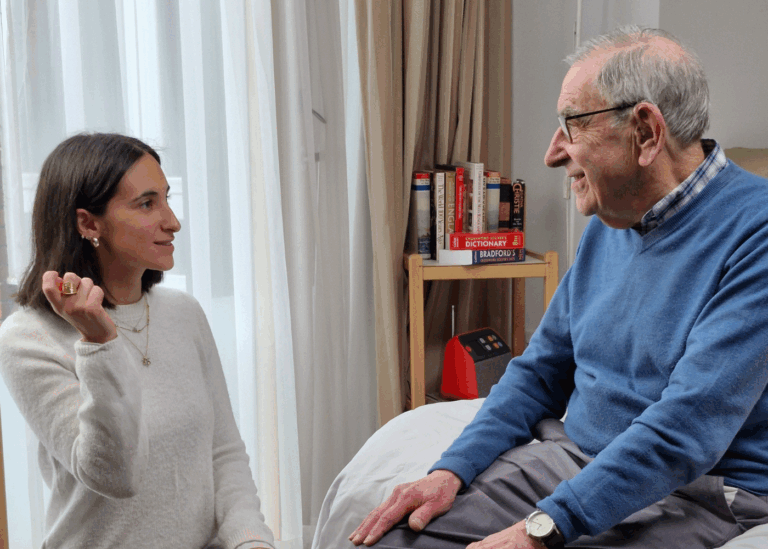

Have a look at this video on how to provide oral care at end of life.
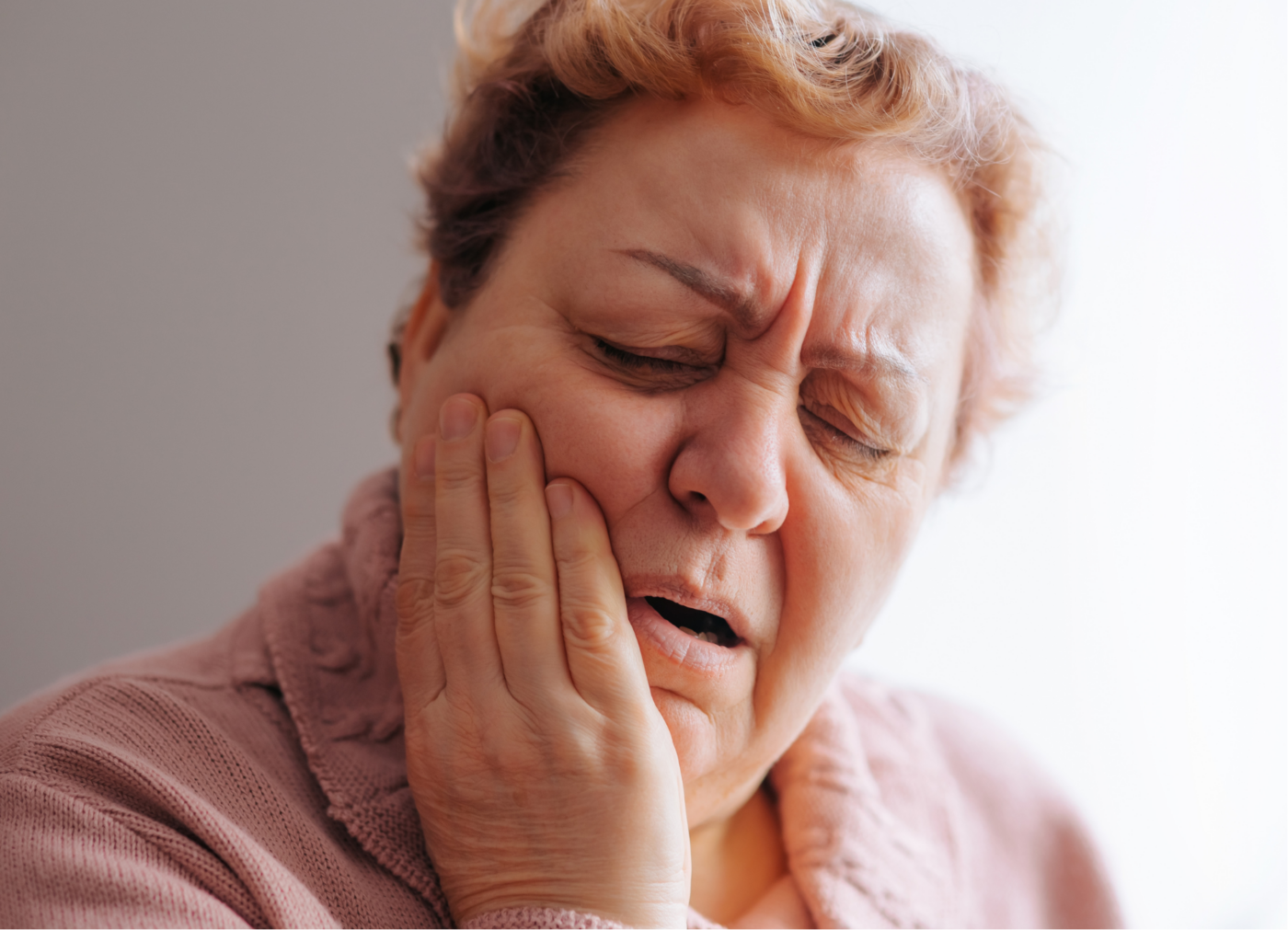
First, identify potential causes of difficulty, such as pain or discomfort in the mouth. Extra care is needed for those who have difficulty communicating their pain. Avoid rushing oral care. Proper techniques and setup reduce anxiety and improve comfort.
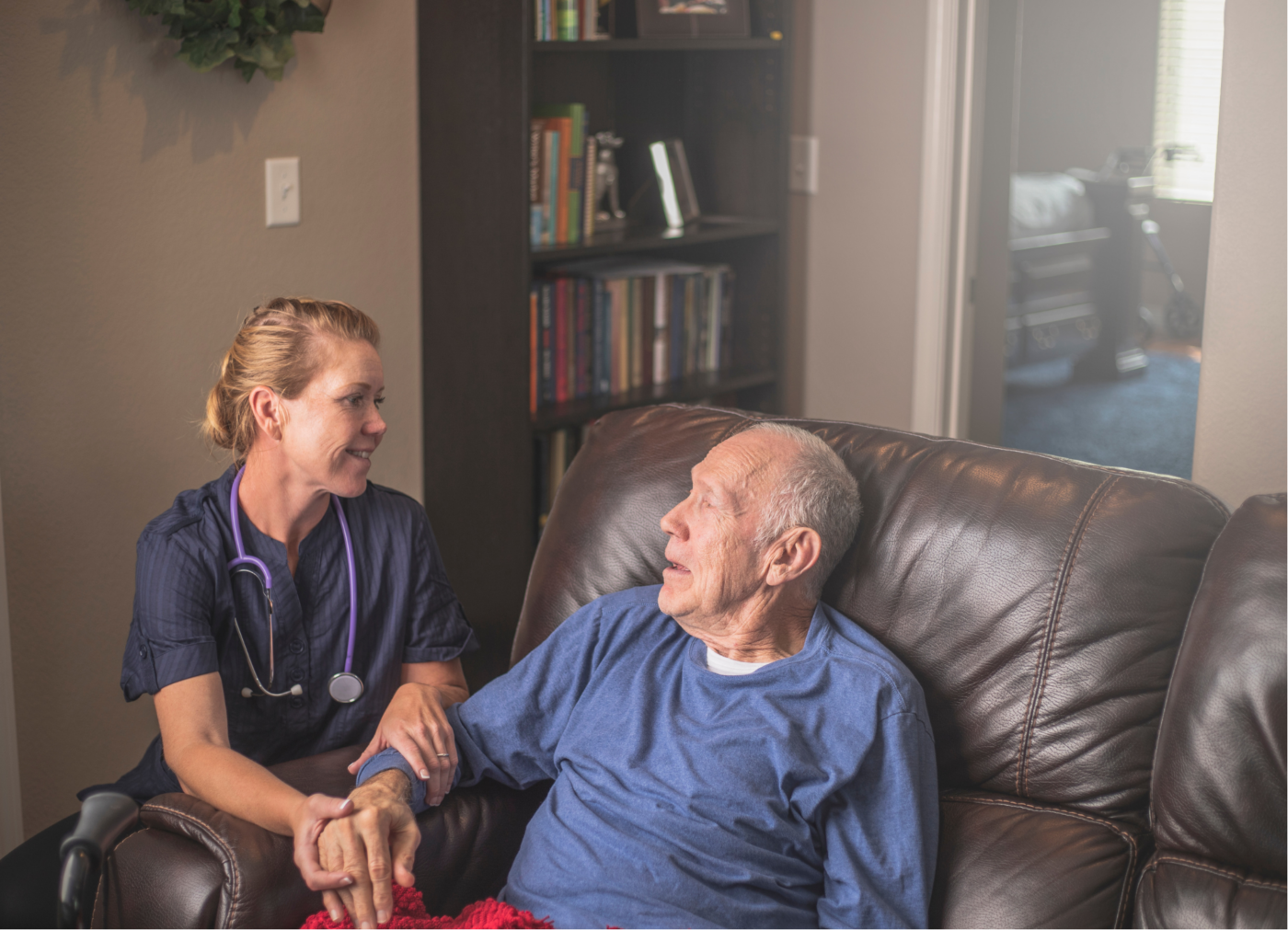
Support from a side angle, allowing room to move and feeling less confrontational. Side positioning is especially important for people with dementia who may have changes in peripheral vision or spatial awareness.
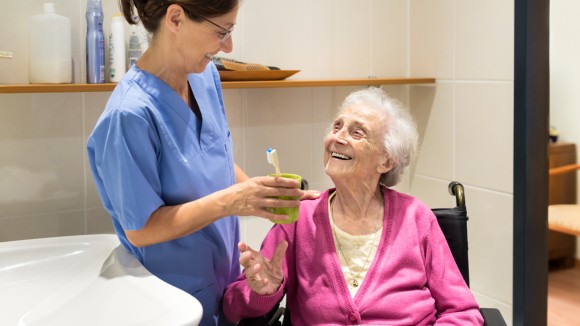
During oral care, communication builds trust and creates an anxiety-free environment. If someone is non-verbal, explain everything that you are doing before and during oral care for reassurance.

A calm and relaxed environment is important for mouth care. Some people can benefit from distractions, such as music. This is also an opportunity to check for infections, dry mouth or other concerning signs. But make sure to give yourself enough time for the process.

A routine can be beneficial so mouth care is at the same time every day. However, some people may have times during the day when they might be more receptive for mouth care. Adjusting care to suit these preferences can improve comfort.
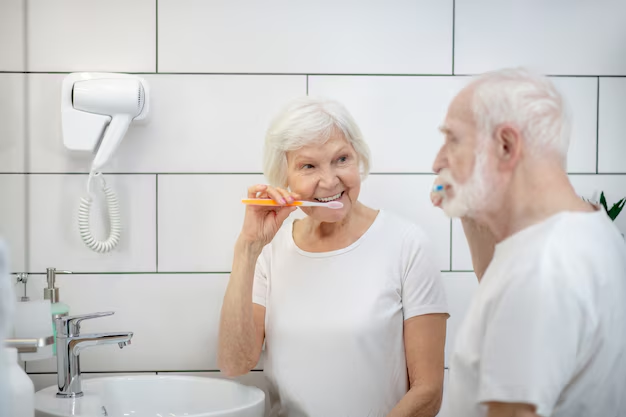
Show the motion and then let the person continue independently. It builds trust and confidence.
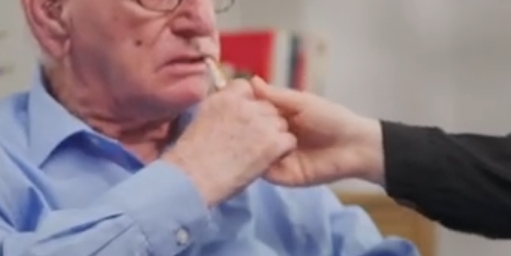
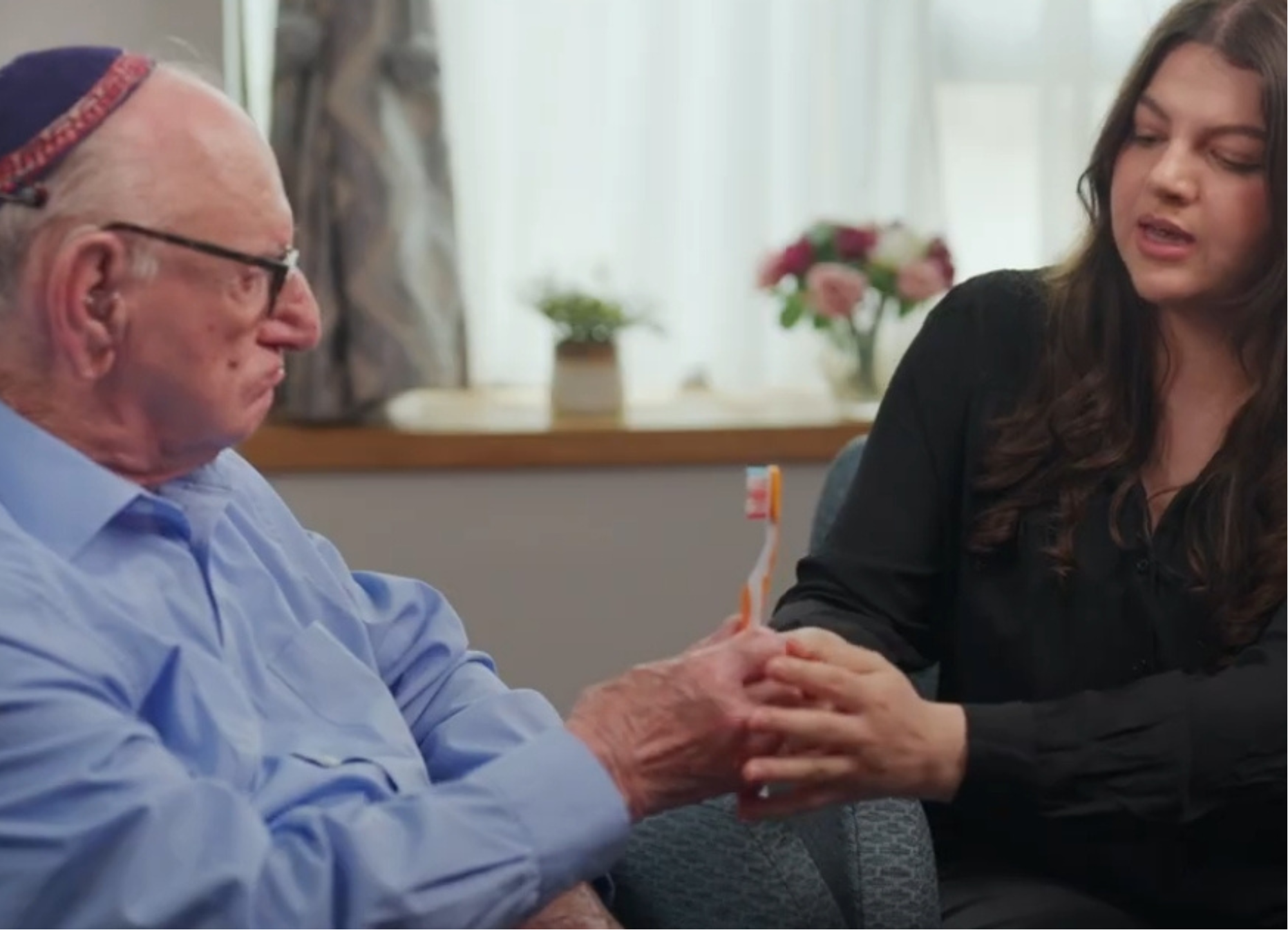
Place the toothbrush in the person’s hand and gently guide it to their mouth. Begin the brushing motion to demonstrate the action, then release and allow them to continue on their own. This encourages independence.
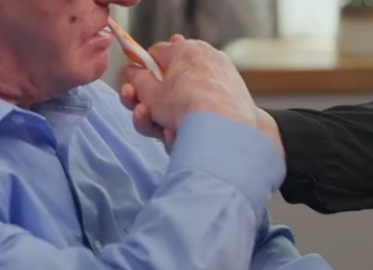
For those with reduced limb strength or coordination, gently guide the toothbrush to their mouth while they are holding it. Assist them through the brushing process.
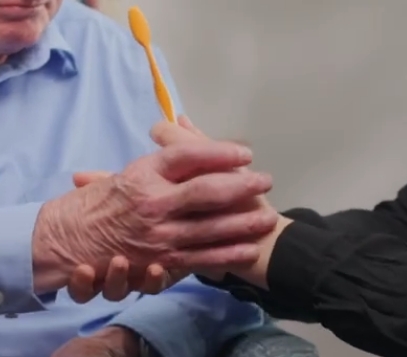
If the person has difficulty holding the toothbrush independently, hold it yourself and allow them to place their hands over yours. This way, they experience the brushing motion.

This is common in individuals with behavioral or sensory sensitivities. Gently massage the cheeks to encourage mouth opening and reduce biting, including when using the toothbrush. Avoid forcibly removing the toothbrush if they clamp down, as this can damage the teeth.
We encourage you to seek advice from a GP, dentist or another healthcare professional if you notice any changes in your own oral health, or in the oral health of the person you care for, or if you have concerns about mouth discomfort, dry mouth or swallowing difficulties.
 Chloe completed a BSc in Speech and Language Therapy from City University of London. She started her career in the NHS in the adult acute setting and has worked across a range of medical specialities, including frailty, respiratory medicine, oncology and neurological rehabilitation. Chloe subsequently specialised in voice and upper airway disorders. In her current NHS clinical practice alongside her work at Nightingale Hammerson, she is based in the paediatric acute service within Bart’s Health Trust, as well as running a paediatric Voice and Upper Airway service. At Nightingale Hammerson, Chloe works within the multidisciplinary therapy team, supporting Residents with Dysphagia (swallowing problems) and communication difficulties. She enjoys maximising Resident’s quality of life and supporting members of the care team with learning and development.

The resources available are not, and are not intended to be, medical advice, which should be tailored to your individual circumstances. The resources are for your information only, and we advise that you exercise your own judgment before deciding to use the information provided. Professional medical advice should be obtained before taking action. Full terms and conditions.