Support our Pesach 2026 Appeal by clicking here

Activities and engagement

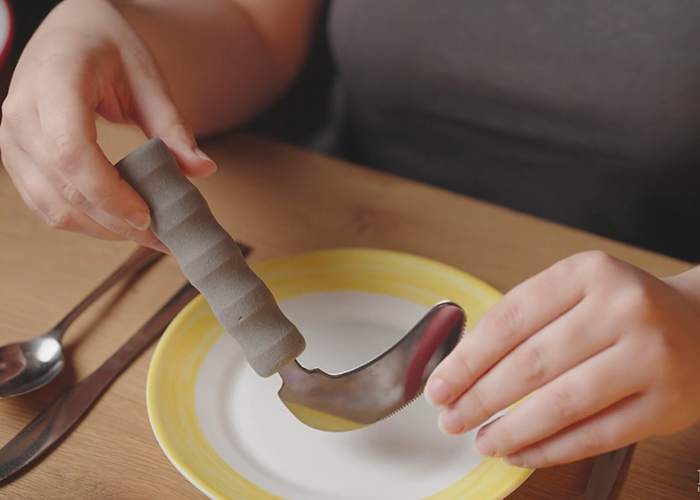
Eating and drinking

Future care planning

Hearing

Mobility

Oral care

Phone accessibility

Sleep

Oral care at end of life

This video explains the importance of gentle oral care for those who cannot care for themselves. It covers safe cleaning of the mouth and lips, managing dentures and preventing pain, dryness and infection while ensuring comfort and safety.

Have a look at this video for more simple tips to support someone with oral care.
If someone is struggling to maintain good oral care or if they are nearing end of life, supporting them with oral care is important. A good oral care routine will prevent or treat common oral problems.

-----------------------------------

Importance of oral care: 

  • Helps prevent and treat common issues such as mouth pain and discomfort, dry mouth and oral infections. 

Impacts of poor oral care:

  • This can affect people in different ways.
  • Impact on the ability to swallow food or liquids.
  • Cause food or drinks to taste different.
  • Be uncomfortable or painful.
  • Cause fungus and bacteria in the mouth, which leads to bad breath.

Preparing for oral care: 

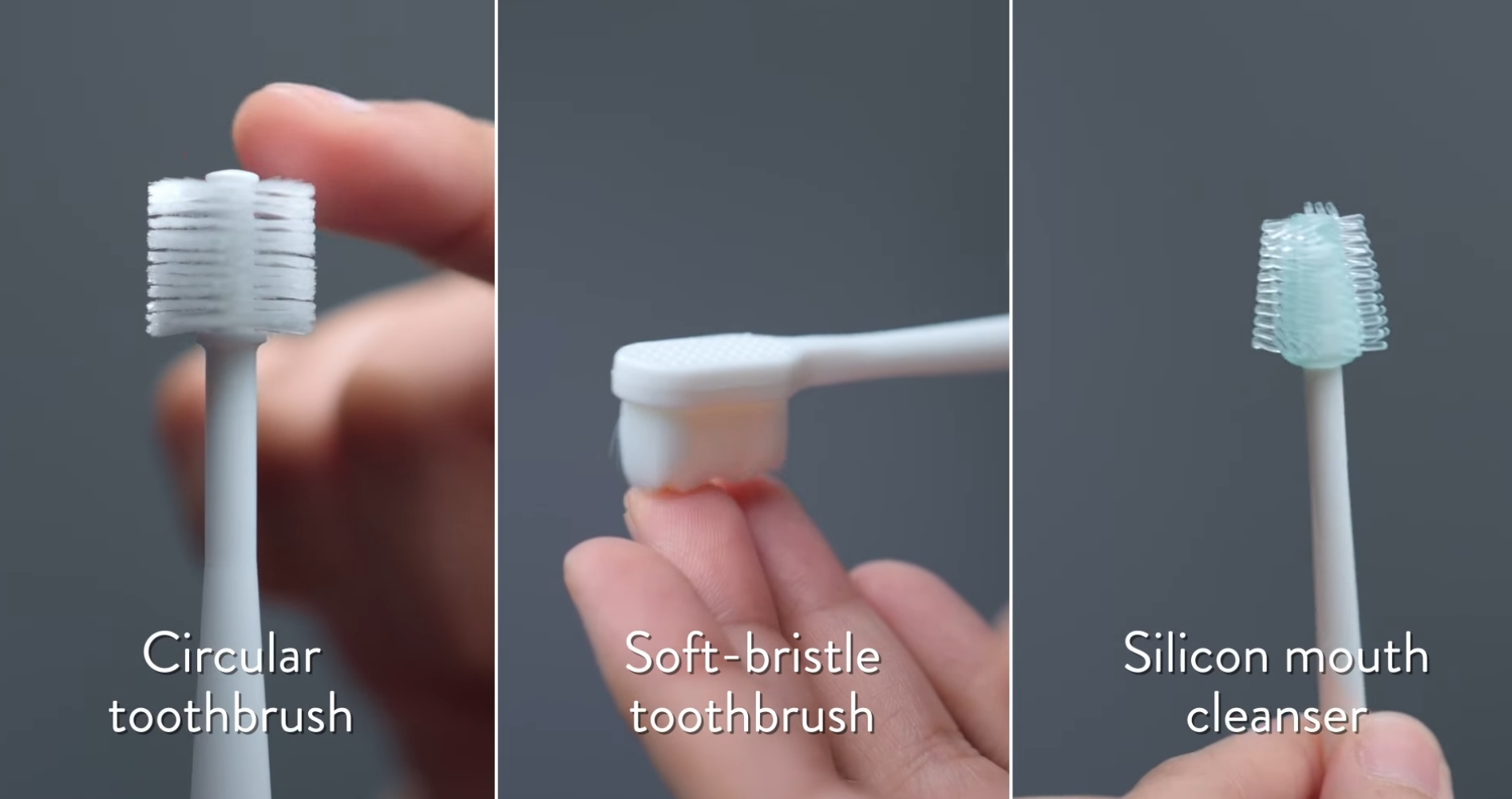
  • You will need a circular or small-headed toothbrush with soft bristles.
  • You can also use a silicone mouth cleanser.  

Avoid regular toothpaste. It can be too strong or uncomfortable:

  • At end of life, foam flavours can cause discomfort and can be difficult to remove from mouth. 
  • Instead, use alternatives such as water, saliva replacement gel, cider or natural sparkling apple juice. It will depend on personal preference.

Before you begin:

  • Explain to the person that you will open their mouth and clean it. Even if they are no longer responsive, it is likely they can hear you.  
  • If the person is in a hospital bed, lift the backrest to around 75° or use pillows to lift the person’s back. 
  • Make sure your hands are clean. 

Checking the mouth: 

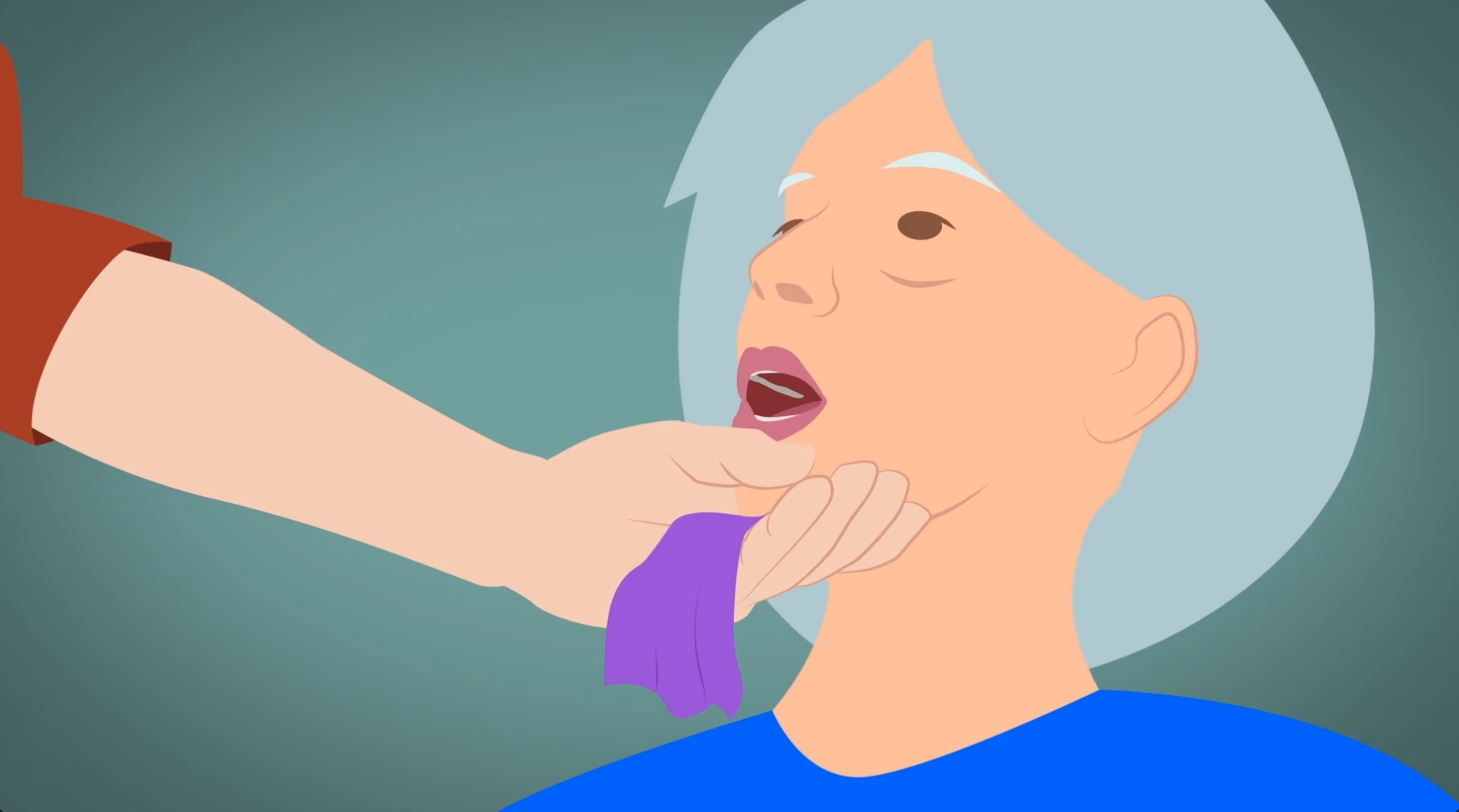
  • Gently open the mouth.
  • Check for sores, signs of infection and cracks on the tongue.
  • These can be very uncomfortable, so perform these checks carefully.
  • You can also use a torch if you are having trouble seeing inside the mouth.

Cleaning process

  • Always clean the mouth before applying any medications.
  • To start, apply preferred cleaning liquid to chosen mouth cleanser. 
  • Hold a clean cloth or napkin under the mouth with one hand.
  • Use dominant hand to hold the mouth cleanser. Perform a rolling motion with it to spread the product evenly.
  • Start slowly and remove any crusty, dried saliva and hard secretions from the mouth. These can be found at the roof of the mouth, the tongue or around the gums.
  • If these are hard to remove, you can apply dry mouth gel and wait for a few minutes.

Lip care:

  • Near end of life, the lips can become severely dry. 
  • In this case, clean the lips using the same liquid you use in the mouth.
  • Once lips are clean, apply saliva replacement gel. Olive oil can also be used as it is effective in hydrating the lips.

Important tips and safety: 

  • Be careful when using foam swabs. The foam head can become detached or the person can bite it. It can also be a chocking hazard. 
  • Glycerin swabs and mouth washes are not recommended as they can further dry the mouth.
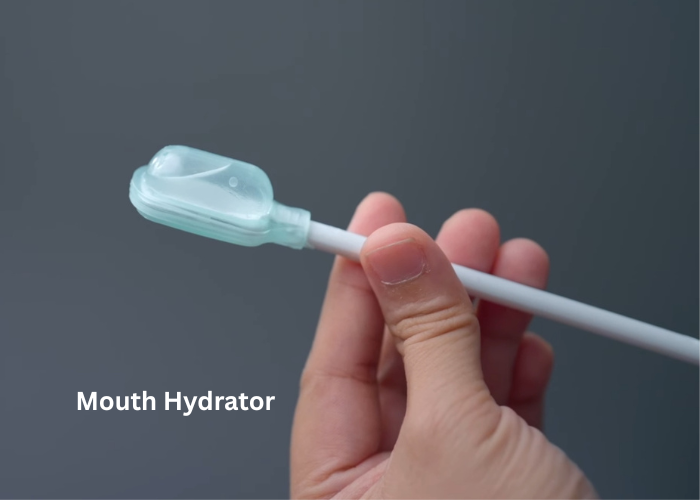
  • Instead, a mouth hydrator can be used to moisten the lips, tongue and soft tissues inside the mouth.
  • With a slow flow of water from two drip holes, a gentle compression on the lips or inside the mouth is enough to provide a slow flow of water in the mouth safely. This will reduce risk of chocking.

Additional comfort measures:

  • If the person can chew, offer cold pineapple chunks or ice lollies. This can help to produce saliva which can provide relief from symptoms. 

Denture care:

  • Remove dentures before caring for the mouth.  
  • Always clean the dentures as part of the mouth care routine. Make sure you clean the denture according to the manufacturer’s instructions.
  • Remember to also clean the dentures well, otherwise they can accumulate food and secretions, causing oral infections.

Safety warning:

  • Never put your fingers inside the mouth. The biting and chewing reflex remains strong, even if the person has very little awareness.

We encourage you to seek advice from a GP, dentist or another healthcare professional if you notice any changes in the oral health of the person you care for. 

Meet our experts

Fatima Dos Santos

Fatima Nadine Dos Santos is currently the Household Manager for the Isaac and Edith households at Nightingale Hammerson. She is a qualified nurse with a background in geriatrics and gerontology from the Philippines, and now specialises in dementia and palliative care in the UK.

Nursing has always been Fatima’s calling—a way to provide comfort and uphold dignity where it is needed most. Guided by her motto, Passion, Purpose, and Productivity, she is committed to making every moment of care meaningful, compassionate and life-enhancing.

 

Was this useful? Please let us know

The resources available are not, and are not intended to be, medical advice, which should be tailored to your individual circumstances.  The resources are for your information only, and we advise that you exercise your own judgment before deciding to use the information provided. Professional medical advice should be obtained before taking action. Full terms and conditions