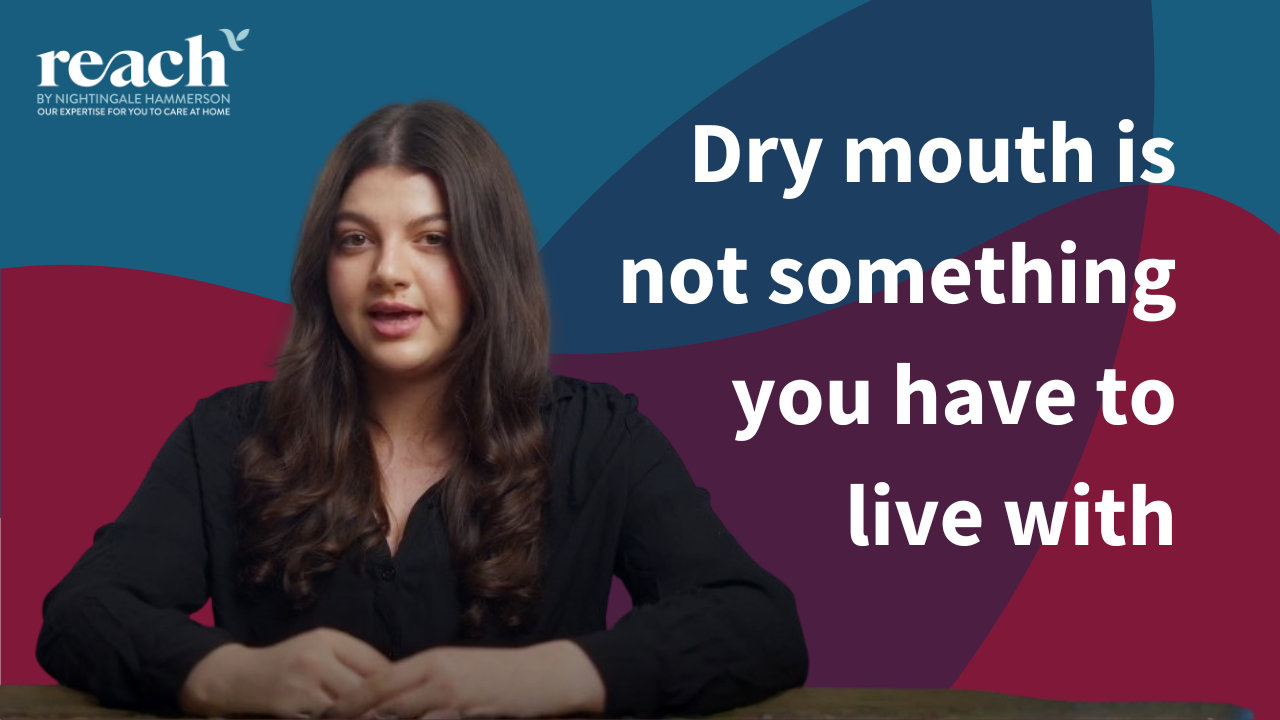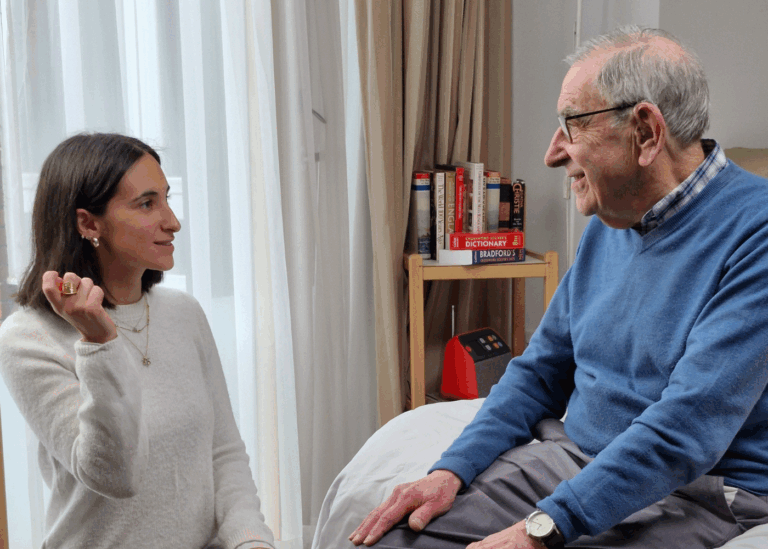

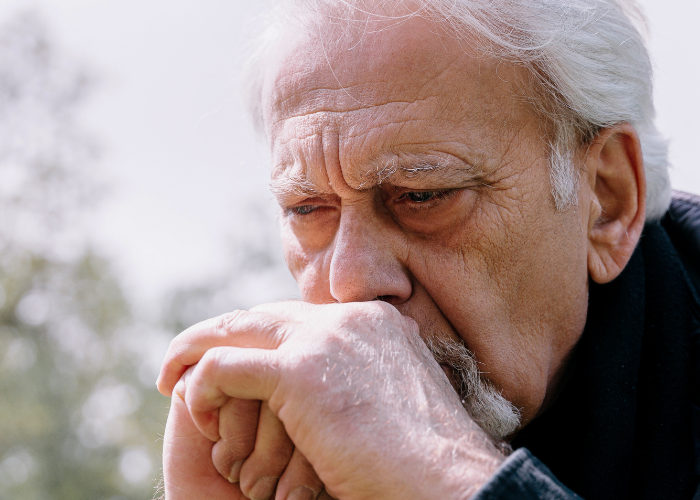
Have a look at this video to help identify signs of dry mouth.
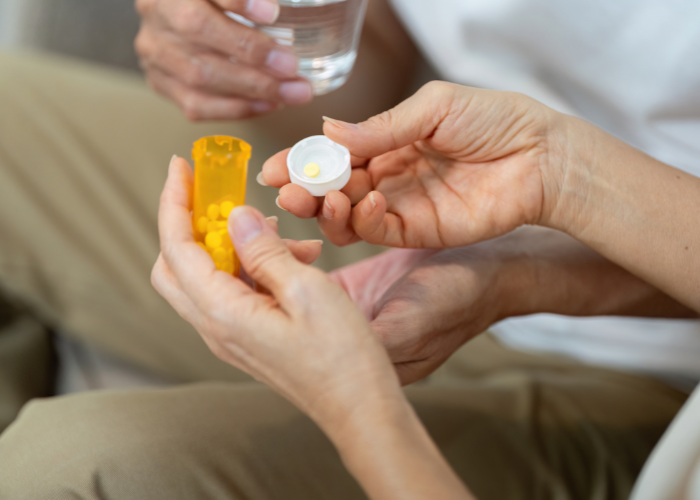
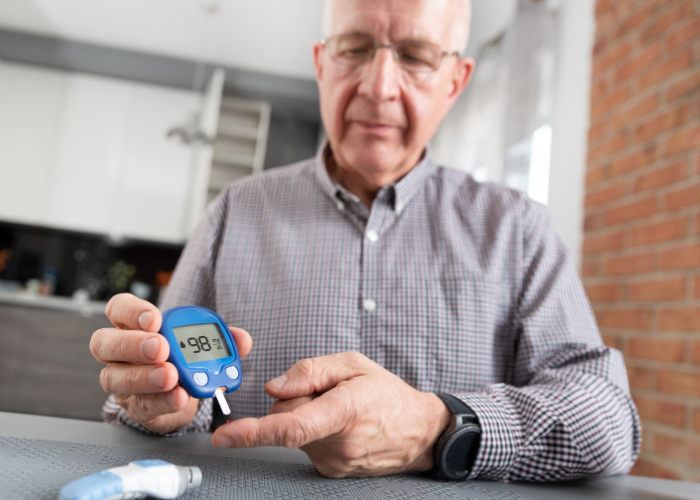
Side effect of medicines, such as antihistamines, antidepressants, diuretics and certain blood pressure tablets.
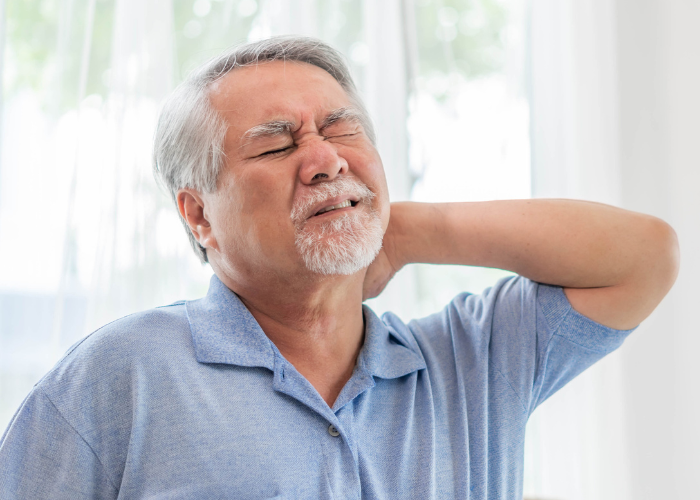
Nerve damage from injury or surgery affecting the head or neck can reduce saliva production.
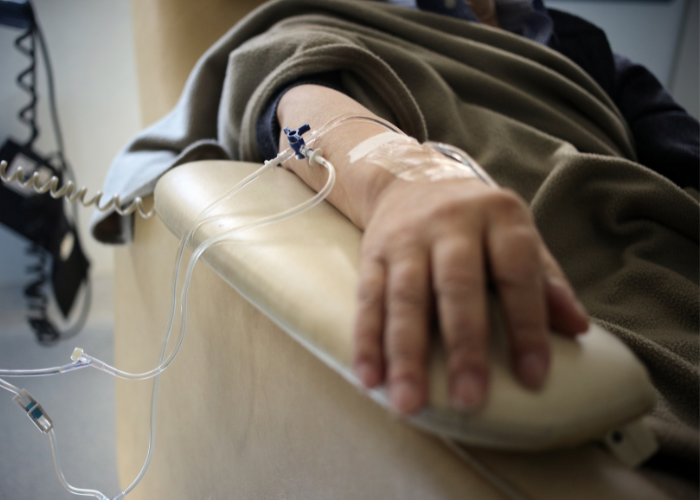
Cancer treatments like radiation therapy and chemotherapy can change how much saliva the salivary glands produce.
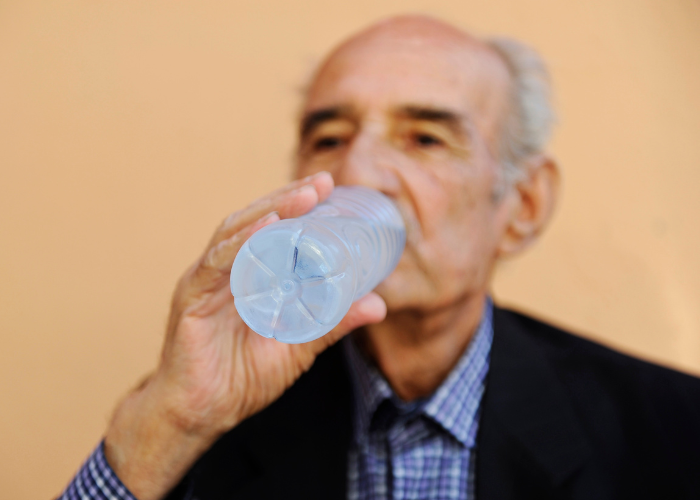
This may result from not drinking enough fluids, having a fever, sweating excessively, vomiting, diarrhoea or losing blood.
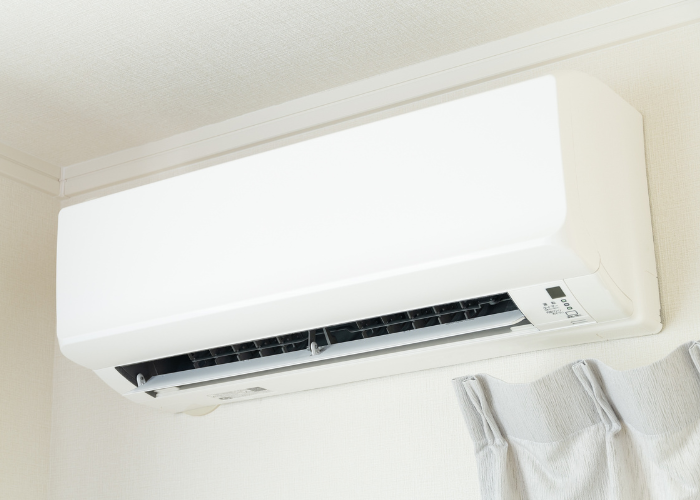
Environmental conditions, including dry weather and air‑conditioned rooms, can make symptoms worse.
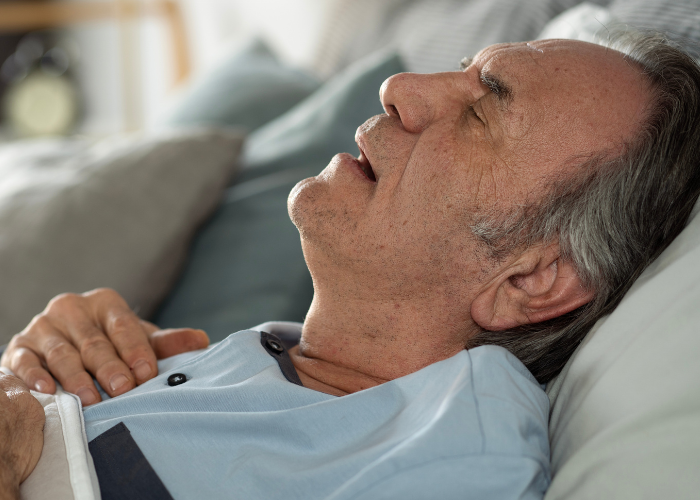
Older adults are more likely to experience dry mouth because they often take multiple medications and may be more vulnerable to reduced saliva production.
We encourage you to seek advice from a GP, dentist or another healthcare professional if you notice any changes in your own oral health, or in the oral health of the person you care for, or if you have concerns about mouth discomfort, dry mouth or swallowing difficulties.
 Chloe completed a BSc in Speech and Language Therapy from City University of London. She started her career in the NHS in the adult acute setting and has worked across a range of medical specialities, including frailty, respiratory medicine, oncology and neurological rehabilitation. Chloe subsequently specialised in voice and upper airway disorders. In her current NHS clinical practice alongside her work at Nightingale Hammerson, she is based in the paediatric acute service within Bart’s Health Trust, as well as running a paediatric Voice and Upper Airway service. At Nightingale Hammerson, Chloe works within the multidisciplinary therapy team, supporting Residents with Dysphagia (swallowing problems) and communication difficulties. She enjoys maximising Resident’s quality of life and supporting members of the care team with learning and development.

The resources available are not, and are not intended to be, medical advice, which should be tailored to your individual circumstances. The resources are for your information only, and we advise that you exercise your own judgment before deciding to use the information provided. Professional medical advice should be obtained before taking action. Full terms and conditions.