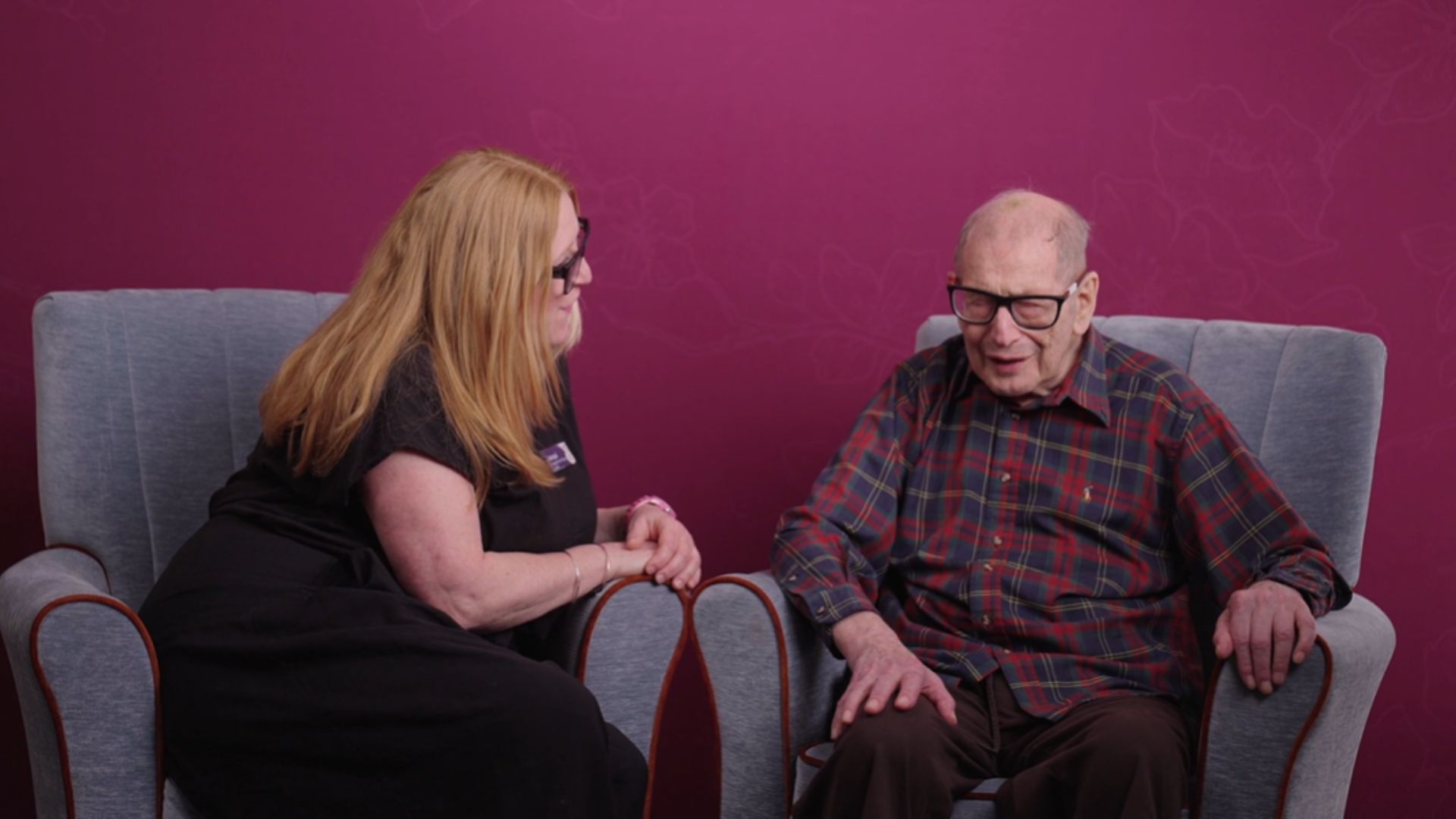


Jacqui Beyer has been a familiar and valued presence at Nightingale House for the past 28 years. She began her journey as an activity assistant, initially working across the entire home. Today she is the Engagement Team Leader, working primarily on Ronson, a nursing and dementia-friendly household, whilst continuing to support activities and outings across the home.
“Learning to work with people with dementia is about adapting your skills to each individual Resident,” Jacqui explains. “It’s about understanding what they need from you in terms of communication, information, support and encouragement. People have very different needs.”
On Ronson household, Residents live with a range of nursing needs, mental health needs and varying stages of dementia. For Jacqui, the key lies in the relationships she builds, knowing who will happily join an activity, who needs a formal invitation and who prefers to be encouraged at the last moment.
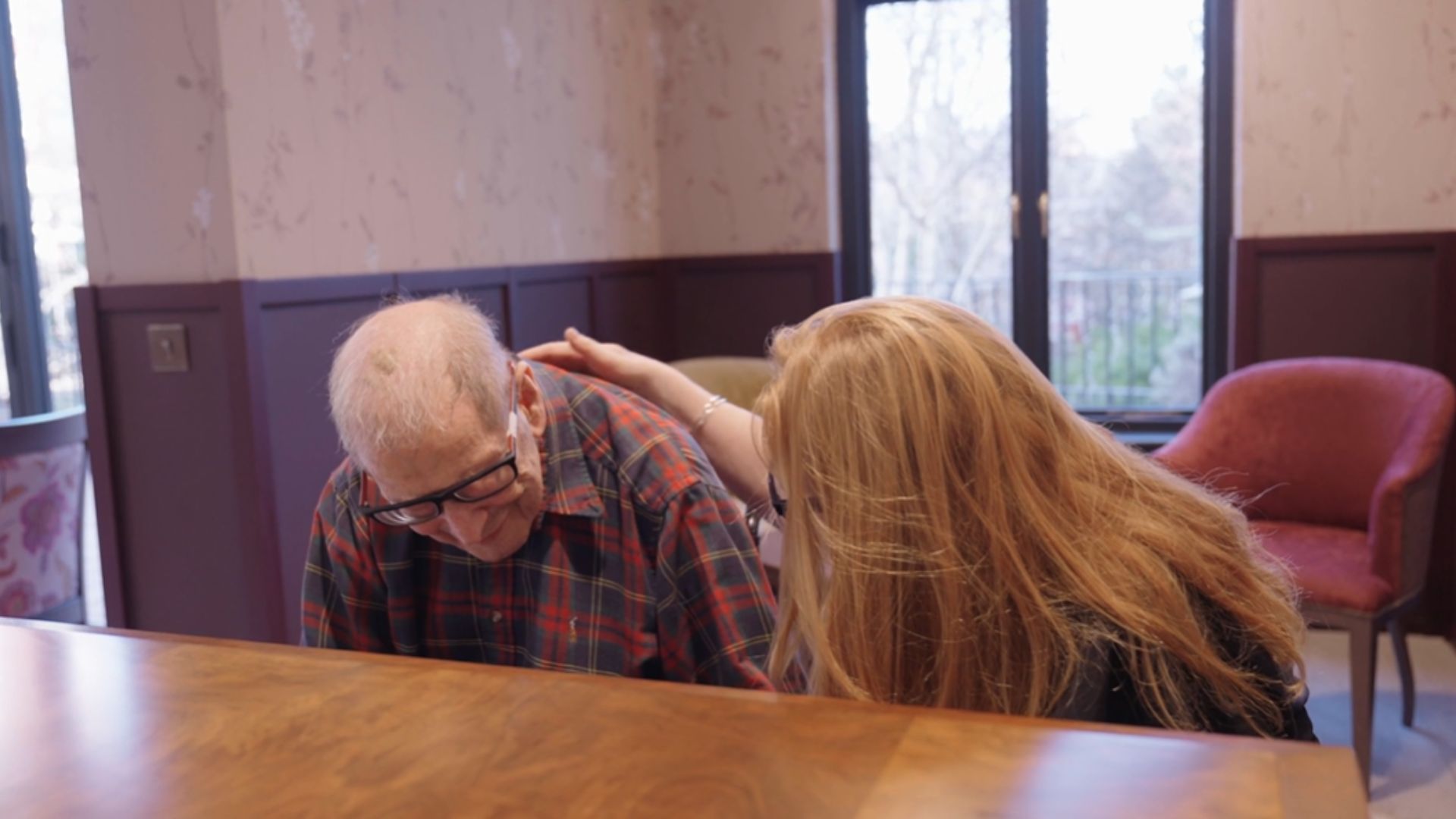
With one Resident, Michael, with whom Jacqui has developed a deep and lasting bond, this understanding is especially important. Michael is sensitive to noise and can often feel overwhelmed if given too much notice about group activities. Jacqui has learned to approach him at just the right moment. If he is reluctant to join, she may begin a conversation about music as he was once a piano player. Through patience and connection, she is often able to guide him into the group to join the activity.
“Conversation always leads to other things,” she says. “Over the years you learn the many ways people respond. I try to include every Resident in group activities. It’s not always possible but I always try. And when it isn’t, I will sit in their room, talk to them and get to know them better. It’s about understanding their needs.”
Jacqui maintains the essence of her job is to be there for her Residents and by being present, you can begin over time to understand what matters most to each one and how best to support them. One Resident, who lives with dementia, is quick-witted and capable yet struggles to understand why she can no longer live independently. When she becomes distressed, Jacqui sits with her and gently redirects the conversation, often speaking about her beloved ‘bubba,’ who spoke only Yiddish or her work in the film industry. “It’s about reassuring her that she still matters and that we care for her, even when she pushes back. You discover the small, personal ways that help each Resident.”
With Michael, who also had a stroke, Jacqui focuses on the aspects of life that still resonate with him. While he shows little interest in discussing his former work as a tax inspector, he lights up when talking about his time as an athletics coach, his piano playing or his travels across Europe and America by train.
Jacqui believes that asking too many direct questions can sometimes be confusing and disorientating for people like Michael, living with dementia. “It’s more about sitting together, having a cup of tea and a chat. Through conversation, you build a relationship and learn what’s important to each Resident.”
Supporting Residents through emotional moments is an essential part of the role. “Sometimes it’s hard when someone is distressed, but you have to persevere. By getting to know them, you learn how to help.”
People living with dementia experience the world in very different ways. Some lose their filter, others have heightened emotions. Jacqui’s approach is to stay alongside them through these perplexing feelings, offering reassurance and calm. Michael, for example, tends to become very emotional but the tears can quickly turn to laughter. When he remembers his past as an athletics coach, he may become overwhelmed with emotion.
“That doesn’t mean it’s a bad feeling,” Jacqui clarifies. “It can just be that the memory is powerful.” In those moments, she puts her arms around him and offers comfort and reassurance, helping him to feel more orientated and grounded.
When Michael becomes confused about where he is, Jacqui gently reminds him that he is being cared for at Nightingale House following his stroke. He often feels reassured, particularly knowing he is in a Jewish home. With no close family, memories of his brother are especially meaningful. Although he may not remember that his brother has died, Jacqui speaks with him about what his brother was like, keeping those important connections alive.
Jacqui has built deeply compassionate relationships not only with Michael but with many Residents in Nightingale House. Some Residents are largely independent, living with only mild memory loss. Supporting them requires a different approach that respects their independence.
“With Michael, I might help him squeeze paint from a tube when he’s painting, and he’s happy with that. But others want to do everything themselves. It’s natural to want to step in and help, but the challenge is balancing independence with keeping a Resident safe,” she explains.
Every diagnosis is different and every individual experience is unique. Within a care home setting, routines and schedules are necessary and maintaining a sense of independence can be challenging. Jacqui believes the key is adapting communication by choosing appropriate language and listening carefully.
“If you are with an unhappy Resident, it can be tempting to shy away from them. It can be difficult to see people distressed who don’t really understand what is happening to them. But our job is to be there regardless. I can’t always make things right for them, but I can do my utmost to help them by being there and staying there.”
For Jacqui, her work is a privilege. By forming connections with people at their most vulnerable, she knows she is doing something very special. It is these relationships with people like Michael that have kept Jacqui at Nightingale House for so long. “I know I make a difference even if it’s a tiny one. I know in that moment someone feels calmer, cared for, listened to.”
Her guiding principle is simple: “You stay with them and support them. You stay with them through the emotions and the challenges and you listen. It’s about being there no matter what.”
Amanda Weinberg, Copywriter